Wada Adventures

Food on Mount Kilimanjaro: A Complete Guide to Meals & Nutrition

Climbing Mount Kilimanjaro is one of the most unforgettable adventures in Africa. While most people focus on choosing the best route, training for the trek, or preparing the right equipment, many overlook another important part of the journey the food on Mount Kilimanjaro. The meals you eat during your climb play a vital role in keeping your body energized, supporting acclimatization, and helping you recover after long days of hiking.

A Kilimanjaro trek usually lasts between five and nine days, depending on the route you choose. During this time, your body burns thousands of calories each day while adjusting to higher altitudes and colder temperatures. Eating nutritious meals is just as important as staying hydrated because your body needs energy to keep moving. Even when your appetite decreases due to altitude, it is essential to continue eating regularly.

Many first-time trekkers are surprised by the quality and variety of food served on Mount Kilimanjaro. Professional trekking companies employ experienced mountain cooks who prepare fresh meals throughout the expedition. Despite being far from modern kitchens, they create delicious breakfasts, hot lunches, satisfying dinners, and snacks that provide the nutrition climbers need.

In this guide, you’ll learn everything about food on Mount Kilimanjaro, including typical meals, dietary options, food safety, hydration, snacks, nutrition tips, and what you should bring with you. Whether you’re a first-time climber or returning to conquer Africa’s highest peak, this guide will help you understand what to expect before your adventure begins.

Why Food Is Important on Mount Kilimanjaro

Food is one of the most important factors that contribute to a successful Kilimanjaro climb. Every day, trekkers spend several hours hiking across different terrains while carrying a daypack and dealing with decreasing oxygen levels. These physical demands require plenty of energy, making proper nutrition essential throughout the journey.

As you gain altitude, your metabolism works harder to keep your body warm and active. At the same time, many climbers experience a reduced appetite because of the thinner air. This combination makes it important to eat balanced meals even if you don’t feel particularly hungry. Skipping meals can lead to fatigue, slower recovery, and lower energy levels during the climb.

Nutritious meals also support your immune system and help your muscles recover after each day’s trek. Carbohydrates provide quick energy, proteins help repair muscles, and healthy fats offer long-lasting fuel. Vitamins and minerals from fruits and vegetables also contribute to overall health during the expedition.

Simply put, eating well gives your body the strength it needs to reach the summit safely and enjoy the entire experience.

Who Prepares the Food on Kilimanjaro?

Most organized Kilimanjaro climbs include a dedicated mountain cook as part of the support team. While guides focus on navigation and safety, cooks are responsible for preparing all meals during the expedition. They travel ahead to each campsite and begin cooking before trekkers arrive.

Despite working in basic outdoor conditions, Kilimanjaro cooks prepare impressive meals using portable cooking equipment. Fresh ingredients are carefully packed before the trek begins, while supplies are carried by porters throughout the expedition. Professional operators prioritize food quality because they understand how important proper nutrition is at high altitude.

Meals are normally served inside a dining tent where trekkers can relax together after hiking. The warm atmosphere, combined with freshly prepared food, helps create a comfortable camping experience even in challenging mountain conditions.

Many climbers say the mountain cooks exceed their expectations and become one of the highlights of the entire journey.

OUR KILIMANJARO POPULAR PACKAGES

What Food Is Served on Mount Kilimanjaro?

Breakfast on Mount Kilimanjaro

Breakfast is one of the most important meals of the day because it provides energy for several hours of hiking. Trekkers usually wake early, and breakfast is served before leaving camp.

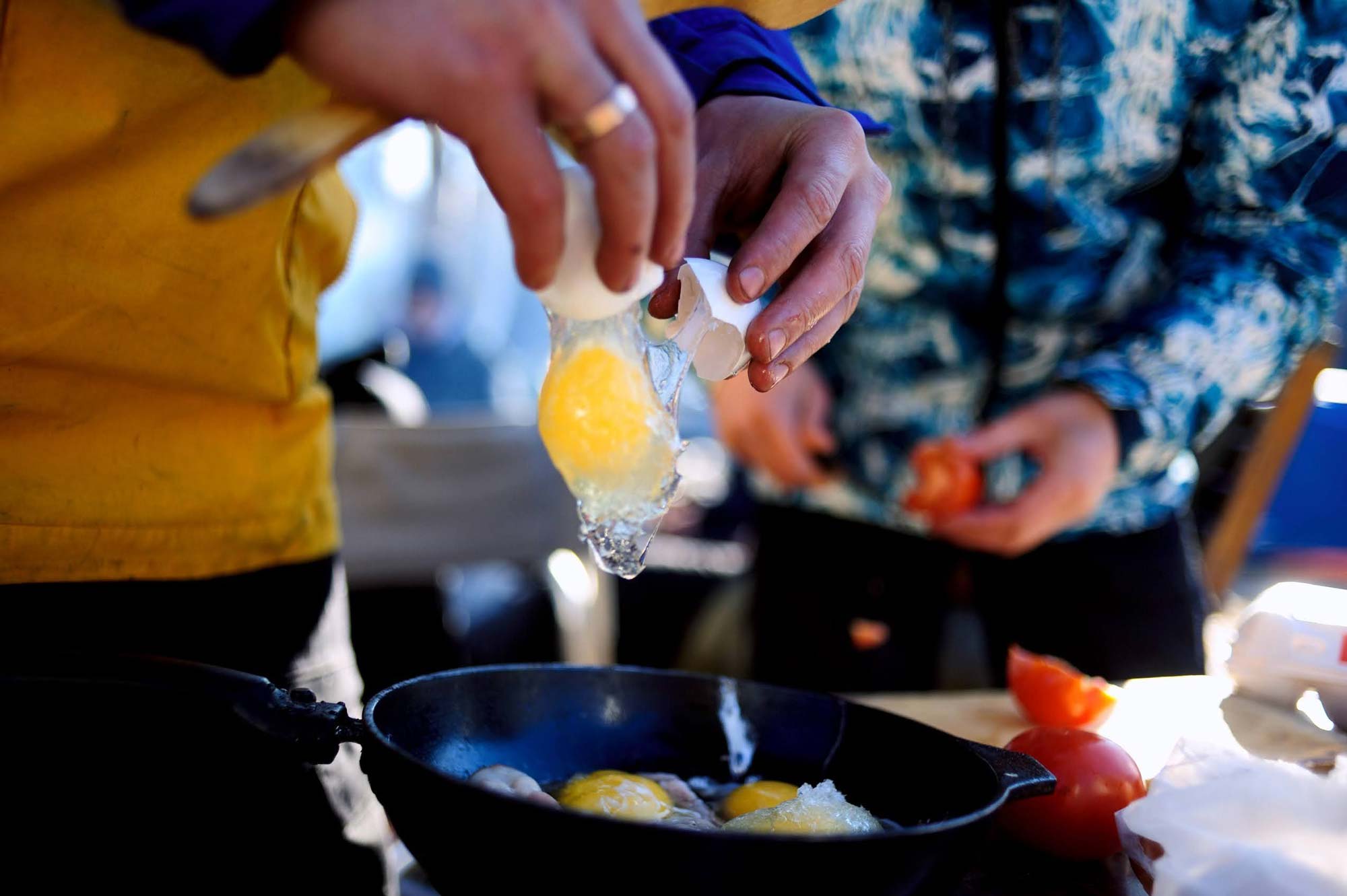
A typical Kilimanjaro breakfast may include eggs, porridge, toast, pancakes, sausages, fruit, cereal, and bread with jam or peanut butter. Tea, coffee, and hot chocolate are usually available, along with plenty of drinking water.

Carbohydrates are particularly important during breakfast because they provide quick energy for the morning hike. Many climbers also enjoy bananas or other fruit for extra vitamins and natural sugars.

Lunch During the Trek

Lunch is usually served after several hours of hiking or packed as a picnic lunch, depending on the route and schedule. The goal is to provide enough energy without making trekkers feel overly full before continuing the day’s walk.

Common lunch options include sandwiches, boiled eggs, fruit, chicken, rice, pasta salad, vegetables, soup, or potatoes. Some companies prepare hot lunches if the itinerary allows enough time at the lunch stop.

Hydration remains important during lunch, so guides encourage trekkers to drink plenty of water while eating.

Dinner at the Campsite

Dinner is often the most enjoyable meal of the day. After reaching camp, trekkers have time to relax, freshen up, and enjoy a hot meal prepared by the mountain cook.

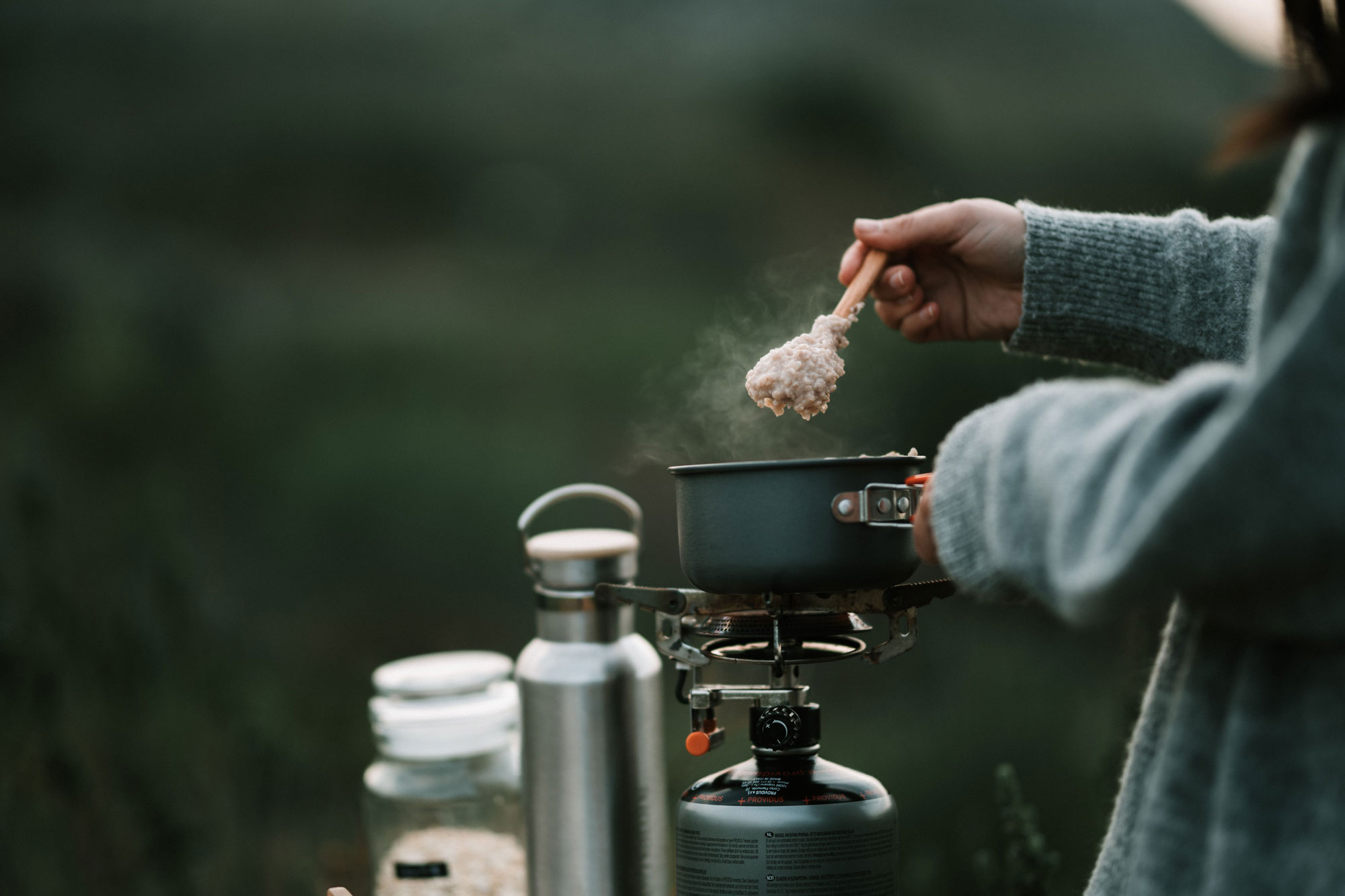
Dinner usually begins with soup, followed by a main course containing rice, pasta, potatoes, vegetables, and a source of protein such as chicken, beef, fish, or beans. Some evenings may also include dessert, such as fruit or cake.

Warm meals are especially comforting after hiking through cold mountain conditions. Besides providing nutrition, dinner also gives trekkers an opportunity to socialize and discuss the day’s adventure.

Popular Foods on Mount Kilimanjaro

Snacks for Extra Energy

Besides regular meals, snacks play an important role during the climb. Trekking for several hours between meals requires additional calories to maintain steady energy levels.

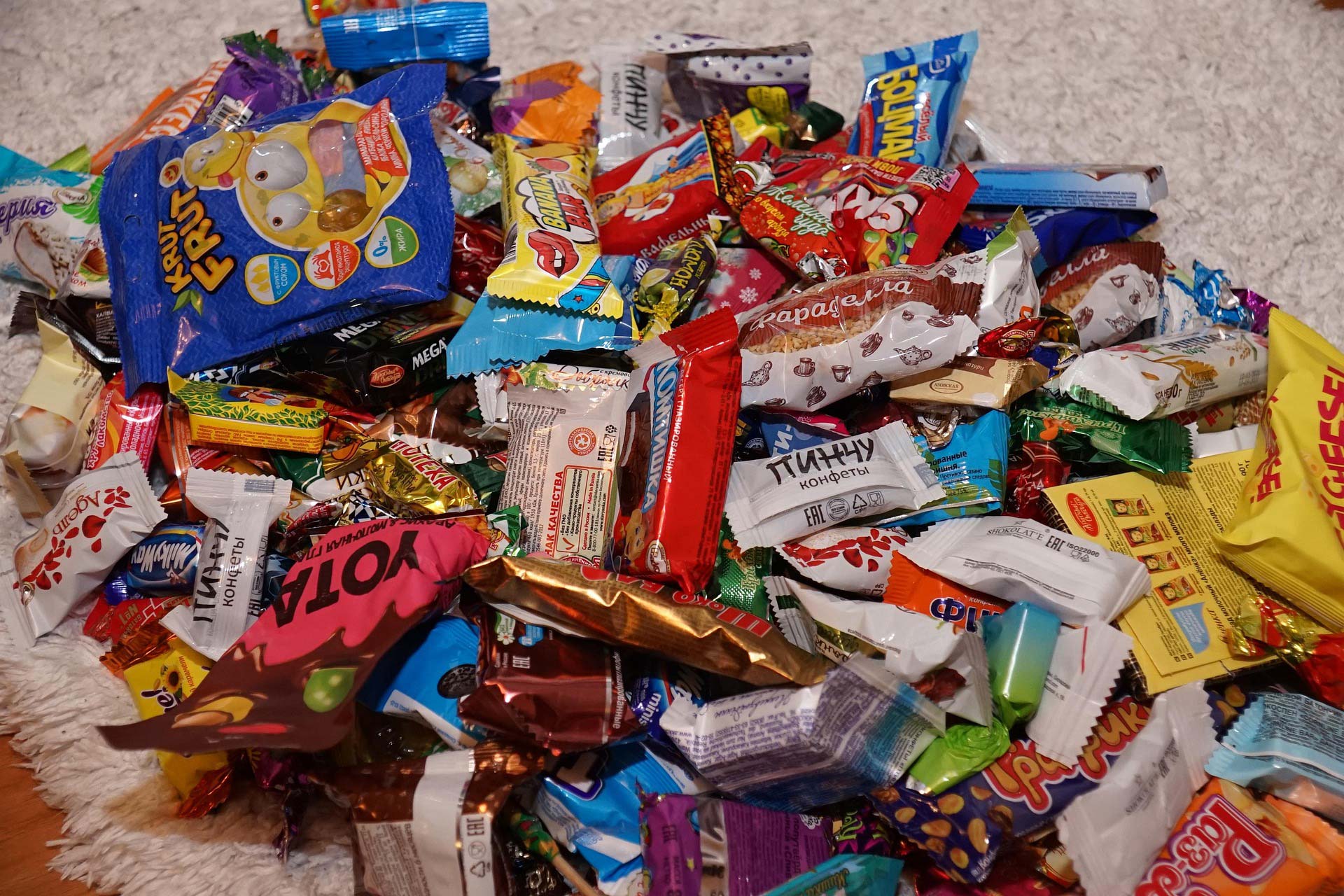
Many climbers carry energy bars, trail mix, nuts, chocolate, dried fruit, biscuits, and protein snacks. These lightweight foods are easy to eat during short breaks and provide quick energy without requiring preparation.

Some trekking companies also provide popcorn, cookies, or fresh fruit during afternoon tea at camp.

Hydration Is Just as Important as Food

Eating well alone is not enough. Proper hydration is equally important throughout the Kilimanjaro trek. Most guides encourage climbers to drink between three and four liters of water every day.

Water is treated before being served, making it safe for drinking. Many trekkers carry reusable bottles or hydration bladders for convenience.

Food at High Altitude

As altitude increases, many climbers notice changes in their appetite. Some people feel full quickly, while others lose interest in food altogether.

This is a normal response to reduced oxygen levels, but it is still important to continue eating. Small meals eaten regularly are often easier to manage than large portions.

Warm foods usually become more appealing than cold meals because they provide comfort during chilly evenings.

Vegetarian and Vegan Meals

Most Kilimanjaro tour operators can prepare vegetarian meals without difficulty. Beans, lentils, rice, vegetables, pasta, potatoes, eggs, and fruit provide plenty of nutritious options throughout the trek.

Vegan meals are also available with advance notice. However, it is essential to inform your operator before your trip so they can plan suitable ingredients.

Professional mountain cooks regularly prepare meals for travelers with different dietary preferences and understand the importance of balanced nutrition.
Tips for Eating Well on Kilimanjaro

Maintaining good nutrition becomes easier when you develop simple habits during the trek.

Eat breakfast every morning, even if you don’t feel hungry. Carry snacks in your daypack for quick energy during breaks.

Drink water regularly throughout the day instead of waiting until you feel thirsty. Eat dinner soon after arriving at camp to help your body recover.

Finally, don’t skip meals simply because altitude affects your appetite. Your body still needs fuel to perform well.

Common Myths About Food on Kilimanjaro

Many people believe the food on Kilimanjaro is basic or poor quality. In reality, most climbers are pleasantly surprised by the variety and freshness of the meals.

Another common myth is that energy bars alone are enough. While snacks are useful, they cannot replace balanced meals that provide carbohydrates, protein, healthy fats, and vitamins.

Some people also think they won’t feel hungry at altitude. Although appetite often decreases, eating remains essential for strength and recovery.

Understanding these facts helps trekkers prepare realistic expectations before arriving in Tanzania.

What Food Should You Bring?

Although your operator provides meals, bringing a few personal snacks is highly recommended.

Popular options include:

  • Energy bars
  • Chocolate
  • Trail mix
  • Dried fruit
  • Nuts
  • Protein bars
  • Electrolyte tablets
  • Hard candy
  • Chewing gum
  • Crackers

These snacks are particularly useful during summit night when small amounts of food are easier to eat than full meals.

What Not to Bring

Avoid bringing foods that spoil easily, require refrigeration, or create unnecessary waste.

Heavy canned foods, fresh dairy products, and foods with strong odors are generally not practical for mountain trekking.

Large quantities of sugary snacks should also be avoided because they provide only short-term energy.

Instead, focus on lightweight foods that offer lasting nutrition.

Tips for Choosing the Right Climbing Season

Consider Your Priorities

Think about whether your priority is the best weather, fewer crowds, lower prices, or stunning photography.

Every season offers unique advantages, so your personal travel goals should guide your decision.

Book Early

The most popular months sell out quickly.

If you plan to climb between June and October or during December holidays, reserve your trip several months in advance.

Prepare for Every Weather Condition

Even during the dry season, mountain weather can change quickly.

Pack waterproof clothing, warm layers, gloves, hats, and quality hiking boots to stay comfortable throughout your climb.

Choose the Right Route

Different Kilimanjaro routes perform differently depending on the season.

For example, the Rongai Route receives less rainfall than western routes, making it an excellent choice during wetter months.

Consult an experienced local operator to select the most suitable itinerary.

Food Safety on Mount Kilimanjaro

Food safety is a priority for reputable trekking companies. Fresh ingredients are purchased before departure and stored carefully throughout the expedition.

Cooks follow hygiene practices while preparing meals, and water is purified before drinking or cooking.

Trekkers should wash or sanitize their hands before meals whenever possible. Maintaining good personal hygiene also helps reduce the risk of stomach illnesses during the climb.

Choosing an experienced operator with high food safety standards is one of the best ways to enjoy healthy meals throughout your adventure.
Frequently Asked Questions

Is food included in Kilimanjaro trekking packages?

Yes. Most organized Kilimanjaro tours include breakfast, lunch, dinner, snacks, and drinking water throughout the trek.

What kind of food is served on Mount Kilimanjaro?

Meals commonly include soup, rice, pasta, potatoes, vegetables, eggs, chicken, beef, fruit, bread, pancakes, and hot drinks.

Can vegetarians climb Kilimanjaro?

Absolutely. Most trekking companies provide vegetarian meals, and many also offer vegan and other special dietary options with advance notice.

Should I bring my own snacks?

Yes. Energy bars, nuts, dried fruit, chocolate, and trail mix are excellent additions to the meals provided by your trekking company.

Is the drinking water safe?

Reputable tour operators treat or purify drinking water before serving it to trekkers, making it safe for consumption.

What should I eat before summit night?

Choose a balanced dinner with carbohydrates and protein, stay well hydrated, and carry easy-to-eat snacks for the overnight climb.