
Mount Kilimanjaro Rescue Guide
Mount Kilimanjaro is one of Africa’s most famous trekking destinations and an incredible achievement for travelers who reach Uhuru Peak. At 5,895 meters above sea level, however, the mountain should never be treated like an ordinary hiking trail. Altitude, cold temperatures, exhaustion, changing weather, steep terrain, and sudden illness can create serious situations during a climb. A good rescue plan is therefore an important part of every Kilimanjaro trek, even when everything goes according to plan.
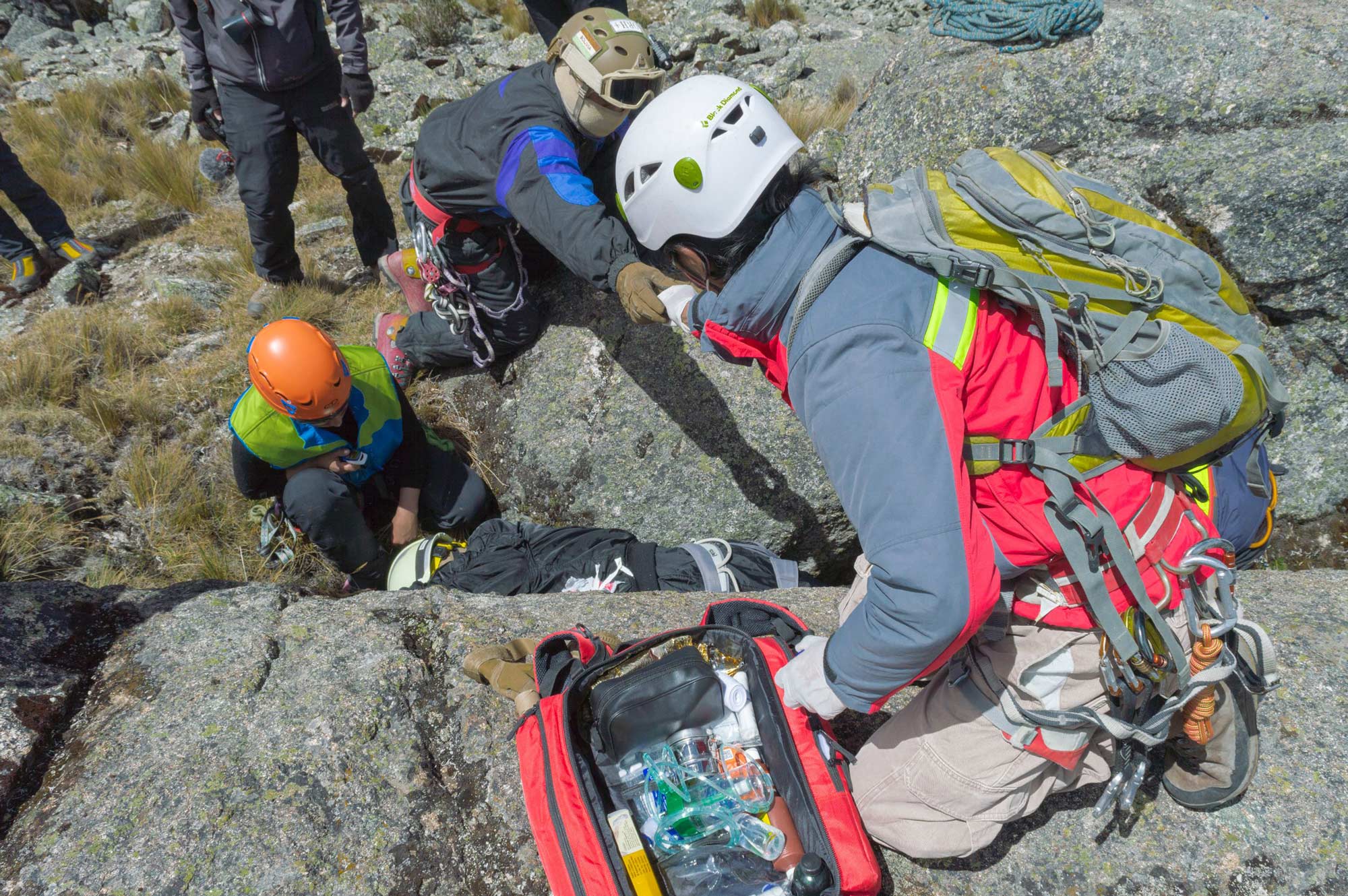
Understanding the Mount Kilimanjaro rescue guide before your journey can give you greater confidence on the mountain. Rescue does not always mean a helicopter flying directly to an injured climber. Depending on the location, weather, medical condition, and accessibility of the trail, assistance may involve mountain guides, porters, evacuation equipment, vehicles, or air evacuation where appropriate. The first response normally starts with the trekking team assessing the situation and deciding the safest way to move the climber.
Preparation is one of the best forms of mountain safety. Choosing a reputable trekking operator, listening to your guides, allowing enough time for acclimatization, carrying suitable equipment, and having travel insurance can reduce many risks. You should also know the warning signs of altitude illness and understand when continuing toward the summit is no longer safe.
This guide explains how Kilimanjaro rescue generally works, when evacuation may be necessary, what trekkers should do during an emergency, and how to prepare before leaving for Tanzania. The aim is not to frighten you but to help you approach the mountain responsibly and confidently.
Why Rescue Planning Matters on Kilimanjaro
A Kilimanjaro trek takes you into an environment where normal emergency services cannot operate in the same way they do in a city. Roads do not reach every camp, mobile coverage can vary, and weather can change quickly. A medical problem that might be simple to manage at home can become more complicated at high altitude.
The distance between camps also means that evacuation may take time. Guides need to assess the terrain and the condition of the affected climber before choosing the safest option. In some situations, the best response is to descend on foot with assistance. In more serious cases, specialized evacuation arrangements may be considered.
A responsible rescue plan also protects the rest of the trekking group. When one person becomes unwell, guides need to balance that person’s needs with the safety of everyone else. Experienced teams have procedures for communicating with their support staff and arranging assistance when necessary.
Understanding this process helps trekkers avoid panic. If an emergency occurs, following the guide’s instructions and remaining calm can make a significant difference.
OUR KILIMANJARO POPULAR PACKAGES
Common Reasons Trekkers Need Rescue
Not every evacuation is caused by a serious accident. Altitude-related illness is one of the main concerns on high-altitude treks. Symptoms can include headache, nausea, dizziness, unusual tiredness, poor appetite, and difficulty sleeping. Mild symptoms can sometimes improve with rest and acclimatization, but worsening symptoms require immediate attention.
More serious altitude illnesses can become life-threatening. High-altitude cerebral edema and high-altitude pulmonary edema are medical emergencies requiring rapid descent and professional medical treatment. A climber who becomes confused, struggles to walk normally, has severe breathing difficulties, or develops serious symptoms should not continue climbing.
Other problems can include dehydration, exhaustion, severe blisters, falls, sprains, fractures, hypothermia, and gastrointestinal illness. Weather can also create dangerous conditions, particularly when heavy rain, strong winds, or freezing temperatures affect the route.
The most important rule is simple: do not hide symptoms from your guide because you are afraid of being sent down. Early reporting gives the trekking team more options and can prevent a small problem from becoming an emergency.
Altitude Sickness and Kilimanjaro Rescue
Altitude is one of the biggest risks on Mount Kilimanjaro. The air contains less available oxygen as elevation increases, and the body needs time to adapt. This process is known as acclimatization.
Acute mountain sickness can affect people regardless of age, fitness, or previous hiking experience. Being physically fit does not guarantee protection against altitude illness. The safest approach is to ascend gradually and pay close attention to how your body responds.
Mild symptoms should be reported to your guide rather than ignored. Your guide can monitor your condition and decide whether you should rest, remain at the same elevation, or begin descending. Continuing upward while symptoms are getting worse can be dangerous.
If severe altitude illness is suspected, descent becomes a priority. Emergency treatment may also be required depending on the situation. This is why choosing a professional trekking team with experience in altitude management is extremely important.
Rescue and Evacuation Methods
Evacuation by Walking
For many non life threatening situations, the safest evacuation method is descending the mountain with assistance from the trekking team. Descending is often the most important treatment for serious altitude-related symptoms.
A guide may walk alongside the affected climber while porters or other members of the team provide additional support. The pace is adjusted according to the person’s condition and the terrain.
In some situations, specialized evacuation equipment may be used to help move a climber who cannot walk independently. The appropriate equipment depends on the operator and circumstances.
Helicopter Rescue on Kilimanjaro
Helicopter evacuation may be possible in certain circumstances, but it should not be viewed as an automatic service available anywhere on the mountain. Aircraft operations depend on factors such as weather, visibility, altitude, landing conditions, aircraft capability, regulations, and the exact location of the climber.
Helicopters may not be able to land directly beside every camp or trail section. In some cases, a climber must first be moved to a suitable evacuation point.
Because aviation operations are highly dependent on conditions, no responsible operator should guarantee that a helicopter will always be available immediately.
Rescue and Evacuation Vehicles
Some areas around Kilimanjaro can be accessed by vehicles, while other sections of the mountain cannot. If a climber can be safely brought to an accessible point, a vehicle may be used to continue the evacuation toward medical care.
This makes the location of the emergency important. A person near a road-accessible area may have different evacuation options from someone at a high-altitude camp.
Your trekking company should have a plan for connecting mountain evacuation with ground transport when required.
What Happens After Evacuation?
Once a climber is evacuated from the mountain, the next step depends on the severity of the medical problem. The person may require assessment at a medical facility before deciding whether they need further treatment or transportation.
For serious cases, insurance and assistance providers may coordinate additional medical arrangements. This can include transportation to a larger medical facility or, where medically necessary and covered, repatriation.
The process can be easier when the traveler has appropriate travel insurance and carries the relevant policy information.
Keep emergency contacts, insurance details, passport information, and important medical information accessible during your trek.
What to Do During an Emergency
If an emergency happens, remain calm and listen carefully to your guide. Do not move an injured person unnecessarily unless there is an immediate danger requiring relocation.
Report the exact symptoms or injury clearly. If possible, tell the guide when the problem began and whether it has become worse.
Do not give medication to another person unless it is appropriate and the guide or medical professional recommends it. Avoid making independent decisions that could interfere with professional treatment.
The trekking team should take control of the emergency response while other climbers provide reasonable support.
Travel Insurance for Kilimanjaro
Travel insurance is an important part of preparing for a Kilimanjaro climb. Standard travel insurance policies do not always cover high-altitude trekking automatically. You should carefully check the altitude limit and activities covered by your policy.
Some policies may exclude trekking above a certain elevation unless additional coverage has been purchased. Because Kilimanjaro reaches 5,895 meters, this detail is especially important.
Your policy should ideally address emergency medical treatment and evacuation appropriate to the type of trip you are undertaking. Read the conditions carefully rather than assuming that any travel insurance policy will cover mountain rescue.
How Trekkers Can Reduce Rescue Risks
The best rescue is often the one that never becomes necessary. Good preparation can reduce many common risks before they develop into emergencies.
Choose a route that provides enough time for acclimatization rather than selecting an itinerary simply because it is shorter or cheaper. Longer itineraries generally provide more time for your body to adjust to altitude.
Walk slowly and maintain a steady pace. Kilimanjaro is not a race. The popular principle of “pole pole,” meaning “slowly slowly,” reflects the importance of conserving energy and allowing your body time to adapt.
Drink regularly, eat enough food, rest when necessary, and tell your guide about symptoms early.
Frequently Asked Questions
Is rescue available on Mount Kilimanjaro?
Rescue and evacuation support is available through trekking operators and relevant emergency services, but the exact method depends on the location, weather, medical condition, and accessibility of the area.
Does travel insurance cover Kilimanjaro rescue?
It depends on the policy. Always confirm that your insurance covers high-altitude trekking and emergency evacuation at Kilimanjaro’s elevation.
What happens if I get altitude sickness?
Your guide should assess your symptoms. If they become serious or continue worsening, descent to a lower altitude is usually the priority.
Can a helicopter rescue anyone from the summit?
Not necessarily. Helicopter operations depend on weather, aircraft limitations, altitude, landing conditions, and other operational factors.
Should I continue climbing if I feel sick?
You should immediately tell your guide. Continuing upward with worsening symptoms can be dangerous, particularly when altitude illness is suspected.