Climbing Mount Kilimanjaro is one of the greatest adventures in the world. Standing at 5,895 meters (19,341 feet), it is the highest mountain in Africa and the tallest free-standing mountain on Earth. Every year, thousands of people from different countries travel to Tanzania to challenge themselves and enjoy the beauty of this famous peak. Although Kilimanjaro does not require technical climbing skills, reaching the summit is not easy. Success depends on physical fitness, mental preparation, and proper planning. Many trekkers underestimate the importance of training and struggle during the final days of the climb. A good training program helps your body adapt to long hiking days, steep trails, and high altitude.
In this complete guide, you will learn the best ways to prepare for Kilimanjaro, improve your fitness, reduce the risk of altitude sickness, and increase your chances of reaching Uhuru Peak safely.
Many people believe Kilimanjaro is simply a long walk, but the reality is different. Climbers usually spend five to nine days on the mountain, walking between five and eight hours daily. Summit night is especially demanding because trekkers often hike for 10 to 15 hours in freezing temperatures while dealing with lower oxygen levels. Without proper preparation, even healthy people can feel exhausted before reaching the top.
Training improves your endurance, strengthens your muscles, and prepares your lungs and heart for continuous activity. It also reduces the chances of injuries such as knee pain, ankle sprains, and muscle fatigue. A well-trained body recovers faster after each hiking day, allowing you to enjoy the journey instead of constantly feeling tired. Regular exercise also builds confidence, making it easier to stay motivated during difficult sections of the climb. Preparing in advance is one of the smartest investments you can make before your Kilimanjaro adventure.
Strong muscles reduce fatigue and help protect your joints during long descents. Your legs carry most of the workload, but your core, back, and shoulders also play important roles because you will carry a backpack throughout the trek.
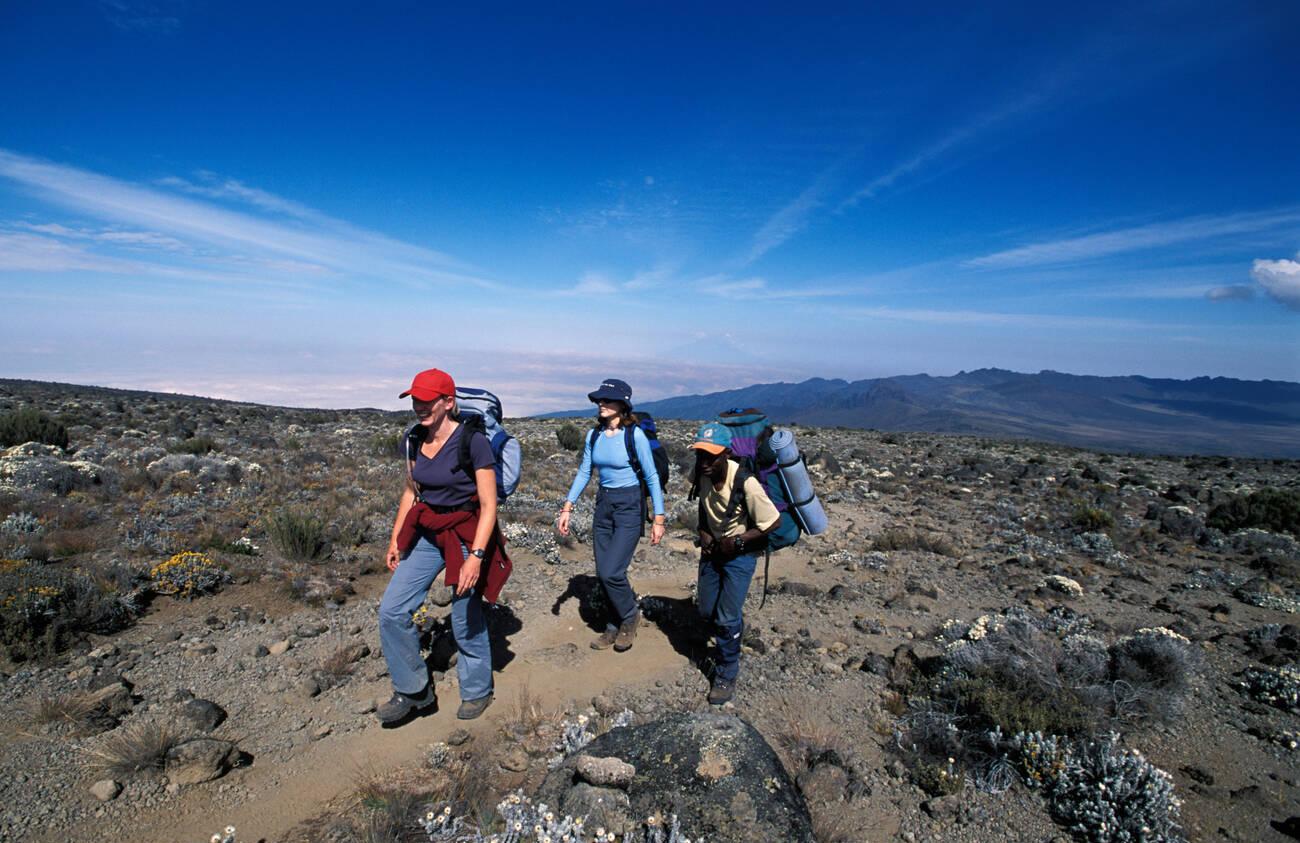
Nothing prepares you better than actual hiking. Try to hike every weekend if possible, especially on trails with hills or mountains. Wear the same hiking boots and backpack you plan to use during your Kilimanjaro trek. This helps break in your footwear and allows you to test your equipment before the expedition.
Gradually increase your hiking distance until you can comfortably walk for six or seven hours. Carry a backpack weighing between 6 and 10 kilograms to simulate trekking conditions.
Flexibility and balance are often overlooked, but they play an important role during mountain trekking. Tight muscles can lead to discomfort and increase the risk of injury. Stretching after workouts helps improve mobility and speeds up recovery.
Include simple stretches for your calves, hamstrings, hips, lower back, and shoulders. Yoga is also an excellent choice because it combines flexibility, balance, breathing, and mental relaxation.
Mental strength is just as important as physical fitness. Climbing Kilimanjaro requires patience, determination, and a positive attitude. There will be moments when you feel tired, cold, or uncomfortable. Staying focused on your goal helps you overcome these challenges.
Practice maintaining a calm and steady mindset during difficult workouts. Long hikes teach patience and build confidence in your abilities. Visualize yourself reaching the summit and remind yourself why you chose this adventure.
Altitude is the biggest challenge on Kilimanjaro because the air contains less oxygen as you climb higher. Unfortunately, no gym workout can fully prepare your body for altitude. However, improving your cardiovascular fitness helps your body use oxygen more efficiently.
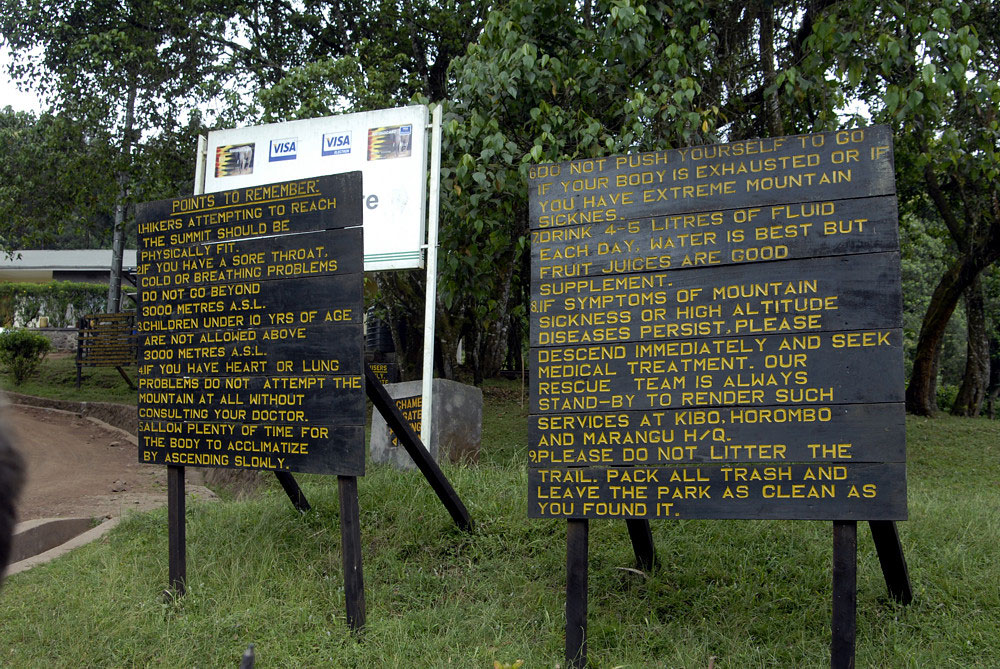
If you live near mountains, spend time hiking at higher elevations whenever possible. Otherwise, focus on endurance training and choose a longer Kilimanjaro route that allows more time for acclimatization. Climbing slowly, staying hydrated, and listening to your guide are the best ways to reduce the risk of altitude sickness.
Build a strong fitness foundation by walking, jogging, or cycling three to four times each week. Include one strength workout and one easy weekend hike. Focus on creating a regular exercise routine while allowing enough recovery between sessions.
Increase workout duration and begin hiking on hills whenever possible. Add another strength session and practice carrying a light backpack during hikes. Continue stretching after every workout to improve flexibility and reduce soreness.
Complete longer hikes lasting four to six hours while carrying more weight. Increase cardio intensity with interval training or hill climbs. Strength workouts should continue twice each week with emphasis on leg endurance and core stability.
Practice full-day hikes similar to Kilimanjaro conditions. Wear your hiking boots and carry your complete trekking gear. Reduce workout intensity during the final week to allow your body to recover before traveling.
Healthy eating supports your training and improves recovery. Choose balanced meals containing lean protein, whole grains, vegetables, fruits, and healthy fats. Protein helps repair muscles after exercise, while carbohydrates provide the energy needed for long workouts.
Drink plenty of water throughout the day because dehydration affects performance and recovery. Avoid excessive processed foods, sugary drinks, and alcohol during your training period. Small improvements in your daily diet can make a noticeable difference in your overall fitness before the trek.
Hydration is essential both during training and on Kilimanjaro. Drink water before, during, and after every workout. During longer hikes, sip water regularly instead of waiting until you feel thirsty. Practice drinking while walking because you will do the same on the mountain.
Electrolyte drinks can be useful after intense workouts, especially in hot weather. Staying properly hydrated helps maintain energy levels, reduces headaches, and supports better recovery after each training session.
Training is the perfect time to test your equipment. Comfortable hiking boots should be fully broken in before your trip to avoid painful blisters. Wear moisture-wicking socks and layered clothing suitable for changing weather conditions.
Practice hiking with your backpack, trekking poles, water bottles, and rain gear. Testing your equipment early allows you to replace anything uncomfortable before the expedition. Never wait until arriving in Tanzania to discover that your boots do not fit properly.
The best time to begin training is at least 8 to 12 weeks before your trek. This gives your body enough time to build strength, stamina, and flexibility without overtraining. If you already exercise regularly, eight weeks may be enough. However, beginners should aim for at least three months of consistent preparation.
Training gradually is much safer than trying to become fit within a few weeks. Start with shorter workouts and slowly increase the duration and intensity. Rest days are equally important because they allow muscles to recover and grow stronger. Consistency matters more than occasional intense workouts. Even simple activities like walking, jogging, and climbing stairs several times a week can significantly improve your fitness over time.
Success on Kilimanjaro depends on more than physical fitness. Choose a reputable trekking company with experienced guides who prioritize safety. Select a route that allows enough time for acclimatization, as longer routes generally have higher summit success rates.
Walk slowly throughout the trek, even if you feel strong at lower elevations. Eat enough food, drink plenty of water, and communicate openly with your guides if you experience any symptoms of altitude sickness. Listening to your body is always more important than reaching the summit quickly.
Many trekkers make the mistake of starting their training too late. Others focus only on running and ignore strength training or hiking practice. Overtraining without enough recovery can also lead to injuries that delay your progress.
Another common mistake is buying new boots just before the climb without wearing them first. Ignoring flexibility exercises or carrying too much weight during training may also increase the risk of injury. A balanced approach that includes cardio, strength, hiking, rest, and proper nutrition produces the best results.
No. Kilimanjaro is a trekking mountain and does not require technical climbing skills. Good physical fitness and proper preparation are more important than mountaineering experience.
Yes. Many first-time trekkers successfully reach the summit after following a structured training program and choosing a suitable route with enough acclimatization days.
You should comfortably hike for six to eight hours while carrying a light backpack. Regular cardio exercise, strength training, and hiking practice will prepare most people for the challenge.
Gym workouts help build strength and endurance, but outdoor hiking is essential because it prepares your body for uneven terrain, changing weather, and long walking days.
Practice carrying between 6 and 10 kilograms. This closely matches the weight of a typical daypack used during the Kilimanjaro trek.
Need help? Our team is just a message away