
Tanzania Travel Tips: A Complete Guide for First Time Travelers
Tanzania is one of the most exciting countries to visit in Africa, offering a wonderful mix of wildlife, mountains, beaches, culture, and beautiful landscapes. From watching lions in the Serengeti to standing on the shores of Zanzibar, there is something for almost every type of traveler. However, a good trip becomes much easier when you know what to expect before arriving. Simple things such as choosing the right season, carrying the correct documents, dressing appropriately, and understanding local customs can make a big difference. These Tanzania travel tips are designed to help first-time visitors prepare with confidence. Whether you are planning a safari, climbing Mount Kilimanjaro, relaxing in Zanzibar, or exploring local communities, this guide will help you travel more comfortably and responsibly.
Plan Your Tanzania Trip in Advance
One of the most important Tanzania travel tips is to plan the main parts of your journey before you arrive. Tanzania is a large country, and popular attractions can be far apart. A safari in northern Tanzania, for example, may include several hours of driving between parks, while Zanzibar requires a separate flight or ferry journey from the mainland. Planning your route early helps you avoid spending too much time traveling from one place to another. It also gives you a better chance of finding suitable accommodation and reliable tour operators. You do not need to plan every minute of your holiday, but flights, major activities, accommodation, and safari arrangements should be considered in advance.
Your travel style should also guide your planning. Some visitors want a luxury safari with comfortable lodges, while others prefer budget campsites and simple accommodation. Families may need shorter driving days and child-friendly hotels, while adventure travelers may prefer hiking and walking experiences. Think about what you want from the trip before choosing your destinations. A well-planned itinerary can combine wildlife, culture, mountains, and beaches without making the journey exhausting. Give yourself enough time to enjoy each destination instead of trying to see everything in one short holiday.
Choose the Best Time to Visit Tanzania
Tanzania can be visited throughout much of the year, but different seasons offer different experiences. The dry season is generally popular for wildlife safaris because animals are easier to spot around water sources and roads are often easier to travel. The months around June to October are particularly attractive for many safari travelers. However, the country is not simply a “good season versus bad season” destination. Green-season months can provide beautiful landscapes, fewer crowds, and excellent photographic conditions. Some travelers may even prefer the quieter atmosphere during less busy periods.
If the Great Migration is one of your main reasons for visiting Tanzania, timing becomes even more important. The migration is a natural event, so the exact location of the herds changes from month to month. Calving, river crossings, and movement across the Serengeti occur at different times and locations. Instead of assuming that one month guarantees a particular sighting, discuss your travel dates with an experienced safari operator.
EXPLORE OUR TANZANIA SAFARI PUPULAR PACKAGES
SAFARI & ZANZIBAR
12 DAYS/ 11 NIGHTS
Tarangire, Serengeti, Ngorongoro Crater Zanzibar Beaches & Safaris
tanzania safari&zanzibar
10 DAYS/ 9 NIGHTS
Tarangire, Serengeti, Ngorongoro Crater Zanzibar leisure & Beach Relaxation
Tanzania safari north
10 DAYS/ 9 NIGHTS
Tarangire, Southern Serengeti, Northern Serengeti & Ngorongoro Crater
Check Passport and Visa Requirements
Before traveling to Tanzania, make sure your passport meets the entry requirements for your nationality. It is wise to have enough validity remaining on your passport and several blank pages available for immigration stamps. Visa requirements can vary depending on your nationality, so check the latest official requirements before departure. Some travelers may be eligible for an online visa or visa-on-arrival arrangements, while others may need to obtain permission before traveling. Do not rely on information from an old blog post or a friend who visited several years ago.
Keep digital and physical copies of important travel documents. These can include your passport, visa, travel insurance details, flight tickets, accommodation confirmations, and emergency contacts. Store digital copies somewhere secure that you can access without carrying the originals.
Understand Tanzania's Currency and Money
The official currency of Tanzania is the Tanzanian shilling, although some tourist businesses commonly accept major foreign currencies such as US dollars. One useful Tanzania travel tip is to carry some local currency for small purchases. Local restaurants, markets, small shops, taxis, and service providers may prefer Tanzanian shillings. Credit and debit cards are accepted at many hotels, lodges, and larger businesses, but card availability should not be assumed everywhere.
It is sensible to carry a combination of payment methods. Keep some cash for places where electronic payment is unavailable, while using cards where they are accepted and secure. ATMs are available in major towns and cities, but access becomes more limited in remote safari areas.
Take Health and Safety Precautions
Health preparation is another important part of Tanzania travel tips. Before your trip, speak with a qualified travel-health professional about recommended vaccinations, medications, malaria prevention, and other health considerations. Requirements and recommendations can depend on where you are traveling from and which areas you plan to visit. If you take regular medication, bring enough for the entire trip and keep it in its original packaging. Carrying a copy of your prescription can also be helpful.
Travel insurance is strongly recommended, particularly if your trip includes safari activities, hiking, or adventure travel. Check that your policy covers the activities you intend to do and understand its emergency assistance provisions. On safari, follow your guide’s instructions and maintain a safe distance from wildlife. Never leave a vehicle or approach wild animals unless your guide specifically says it is safe. In cities and busy areas, use normal travel awareness by protecting valuables and being careful with personal belongings.
Learn a Few Swahili Words
You do not need to speak fluent Swahili to enjoy Tanzania, but learning a few simple words can make your interactions warmer and more enjoyable. “Jambo” is widely known among visitors, although “Habari” is also commonly used as a greeting. “Asante” means thank you, while “tafadhali” means please. “Karibu” means welcome and is a word you are likely to hear frequently during your travels. Even a small effort to use local language can show respect and create friendly connections.
Respect Local Culture and Traditions
Tanzania is home to many communities with different traditions, languages, and ways of life. Visitors should approach local culture with curiosity and respect rather than treating it simply as entertainment. Ask permission before taking photographs of people, particularly in villages, markets, and cultural settings. Some communities may have specific rules about photography or sacred places. Listening to your guide and following local instructions is one of the easiest ways to avoid misunderstandings.
Travel Between Mainland Tanzania and Zanzibar
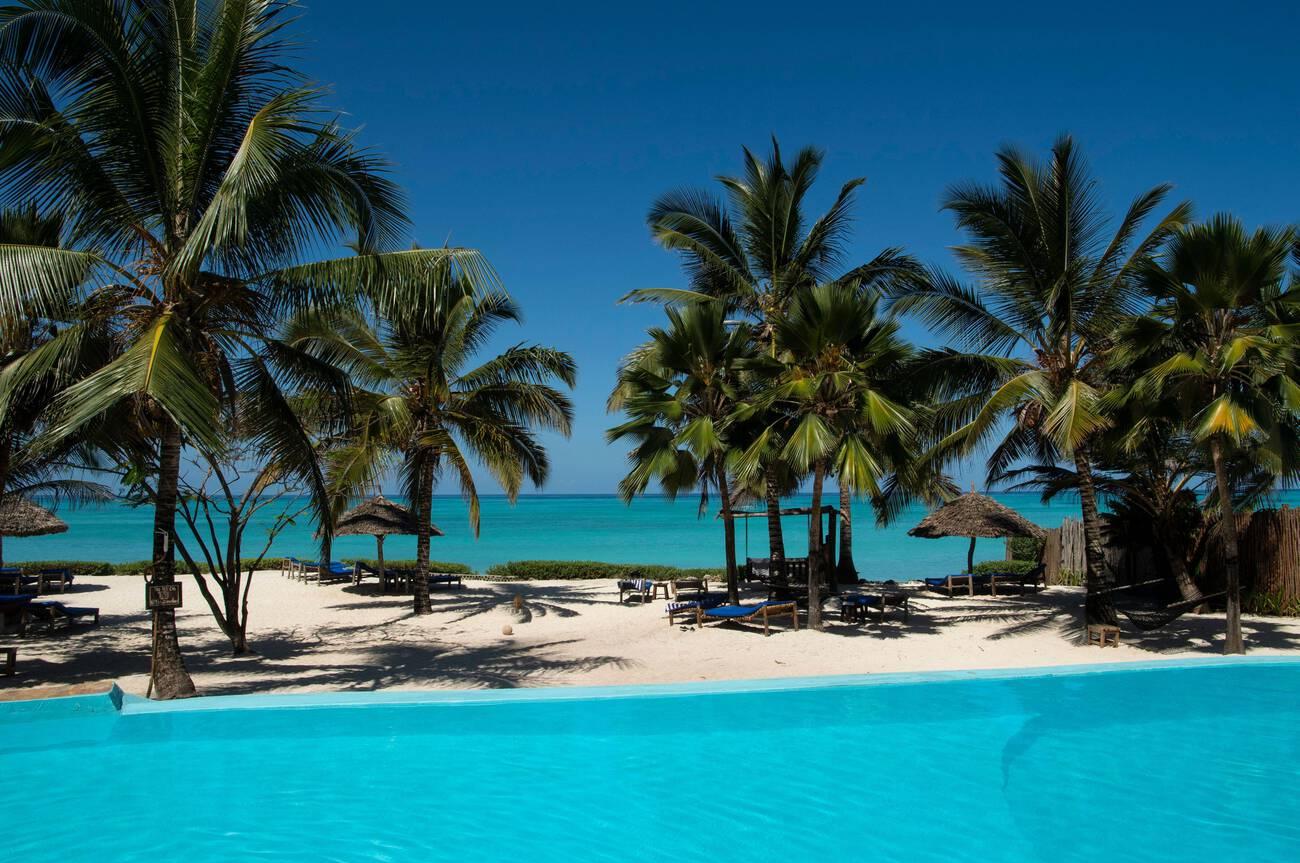
Many visitors combine a mainland safari with a beach holiday in Zanzibar. This can be an excellent way to experience two very different sides of Tanzania. The mainland offers wildlife, mountains, and cultural experiences, while Zanzibar is known for beaches, history, and marine activities. Allow enough time for transportation between destinations instead of scheduling flights or activities too closely together.
Zanzibar also has its own culture and traditions, particularly in Stone Town and other local communities. Dress respectfully away from the beach and ask before photographing people. When enjoying marine activities, choose operators that care about coral reefs and marine life. Avoid touching coral, standing on reefs, or collecting shells and other natural items. Responsible beach tourism helps protect the island’s natural beauty for future visitors.
Respect Wildlife and National Park Rules
Tanzania’s national parks are protected areas, and visitors must follow specific rules designed to protect both people and wildlife. Stay inside designated areas and listen carefully to your guide. Wild animals may look calm, but they remain unpredictable and powerful. Never attempt to attract an animal’s attention or provoke it for a photograph. Your safety and the welfare of wildlife should always come before getting the perfect picture.
Keep the environment clean by taking rubbish with you. Avoid loud music and unnecessary noise during game drives. If your guide tells you to remain inside the vehicle, follow the instruction immediately. Responsible behavior helps protect Tanzania’s wildlife populations and ensures that future generations can experience the same natural landscapes.
Take Care With Photography
Tanzania provides incredible opportunities for photography, from dramatic landscapes to unforgettable wildlife encounters. However, taking good photographs should never come at the expense of safety or respect. Use a zoom lens when photographing wildlife instead of trying to get physically closer. Listen to your guide, especially when photographing large animals such as elephants, lions, buffalo, and hippos.
Frequently Asked Questions
What are the most important Tanzania travel tips for first time visitors?
The most important Tanzania travel tips include planning your itinerary early, checking visa and passport requirements, getting suitable travel insurance, carrying some local currency, packing for changing weather, and respecting local customs. It is also important to choose a reliable safari or tour operator and follow wildlife safety rules.
What is the best time to visit Tanzania?
The best time depends on what you want to experience. June to October is generally popular for wildlife safaris because of the dry conditions and good wildlife viewing. However, other months can offer greener landscapes, fewer visitors, and different wildlife experiences. For the Great Migration, the best month depends on where the herds are expected to be.
What should I pack for a trip to Tanzania?
Pack lightweight and comfortable clothing, comfortable walking shoes, sunscreen, sunglasses, a hat, insect repellent, a reusable water bottle, and a light jacket. If you are going on safari, neutral-colored clothing can be useful. Travelers climbing Mount Kilimanjaro need specialized warm and waterproof clothing because temperatures can become very cold at high altitude.
Is Tanzania safe for tourists?
Tanzania is a popular tourist destination, but visitors should use normal travel precautions. Keep valuable belongings secure, avoid displaying large amounts of cash, follow your guide’s instructions during safaris, and use trusted transportation. In national parks, never approach wildlife or leave a safari vehicle without permission.
Do I need travel insurance for Tanzania?
Travel insurance is highly recommended when visiting Tanzania. A suitable policy can help cover unexpected medical expenses, trip cancellations, lost luggage, delays, and emergencies. If your plans include activities such as Mount Kilimanjaro trekking, check that your insurance specifically covers high-altitude activities and emergency evacuation.
What currency is used in Tanzania?
The official currency is the Tanzanian shilling (TZS). Major tourist hotels, lodges, and businesses may also accept foreign currencies and cards. However, carrying some Tanzanian shillings is useful for small purchases, local markets, tips, transport, and places where card payments may not be available.
What should tourists know about Tanzanian culture?
Visitors should show respect for local customs, traditions, and religious practices. Dress modestly when visiting towns, villages, religious sites, and local communities, especially outside beach resorts. Always ask permission before photographing people. Learning a few Swahili words, such as “Asante” (thank you) and “Tafadhali” (please), is also a friendly way to connect with locals.