When planning an African safari, two destinations consistently stand out as the ultimate bucket list experiences: Serengeti National Park in Tanzania and the Masai Mara National Reserve in Kenya. Renowned for their spectacular wildlife, breathtaking scenery, and the iconic Great Wildebeest Migration, these neighboring ecosystems attract millions of nature enthusiasts from around the world. While they share abundant biodiversity and offer exceptional opportunities to witness the Big Five, each destination provides a unique safari experience. From the vast, untouched plains of the Serengeti to the wildlife-rich grasslands of the Masai Mara, understanding their distinctive features is essential for choosing the safari that best matches your travel style and expectations.
The Serengeti is celebrated for its immense wilderness, diverse habitats, and year round wildlife viewing, making it an excellent choice for travelers seeking an authentic and immersive safari adventure. In contrast, the Masai Mara is famous for its high concentration of animals within a relatively compact area, allowing visitors to enjoy remarkable game viewing in a shorter period.

The Serengeti and Masai Mara form one of Africa’s most important wildlife ecosystems. Together they cover more than 30,000 square kilometers of protected land where millions of animals roam freely across international borders.
Located in northern Tanzania, Serengeti National Park spans approximately 14,763 square kilometers, making it one of Africa’s largest national parks. The name “Serengeti” comes from the Maasai word Siringet, meaning “endless plains.”
The park is renowned for:
Situated in southwestern Kenya, the Masai Mara covers approximately 1,510 square kilometers. Although much smaller than the Serengeti, it boasts one of the highest wildlife densities on Earth.
The reserve is famous for:
Tarangire, Serengeti, Ngorongoro Crater Zanzibar Beaches & Safaris
Tarangire, Serengeti, Ngorongoro Crater Zanzibar leisure & Beach Relaxation
Tarangire, Southern Serengeti, Northern Serengeti & Ngorongoro Crater
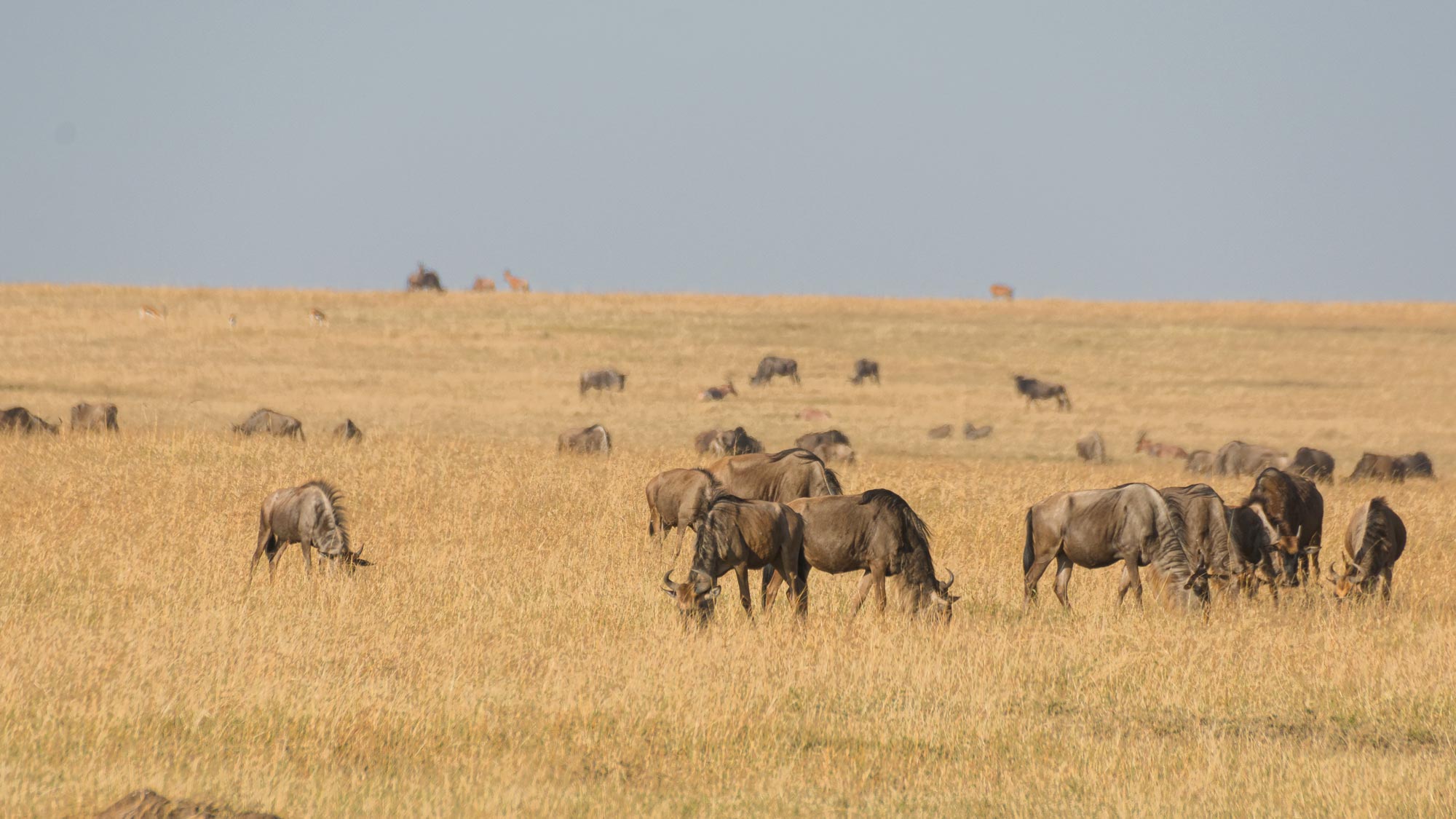
The Serengeti is home to more than 2 million wildebeest, making these animals one of the defining features of the ecosystem. Their seasonal movements form the foundation of the Great Migration, as enormous herds travel across the plains in search of fresh grazing and water.
Around 300,000 zebras and hundreds of thousands of gazelles also form an important part of the Serengeti’s wildlife population. These herbivores share the grasslands with wildebeest and provide an essential food source for the park’s predators, creating a dynamic ecosystem where different species are closely connected.
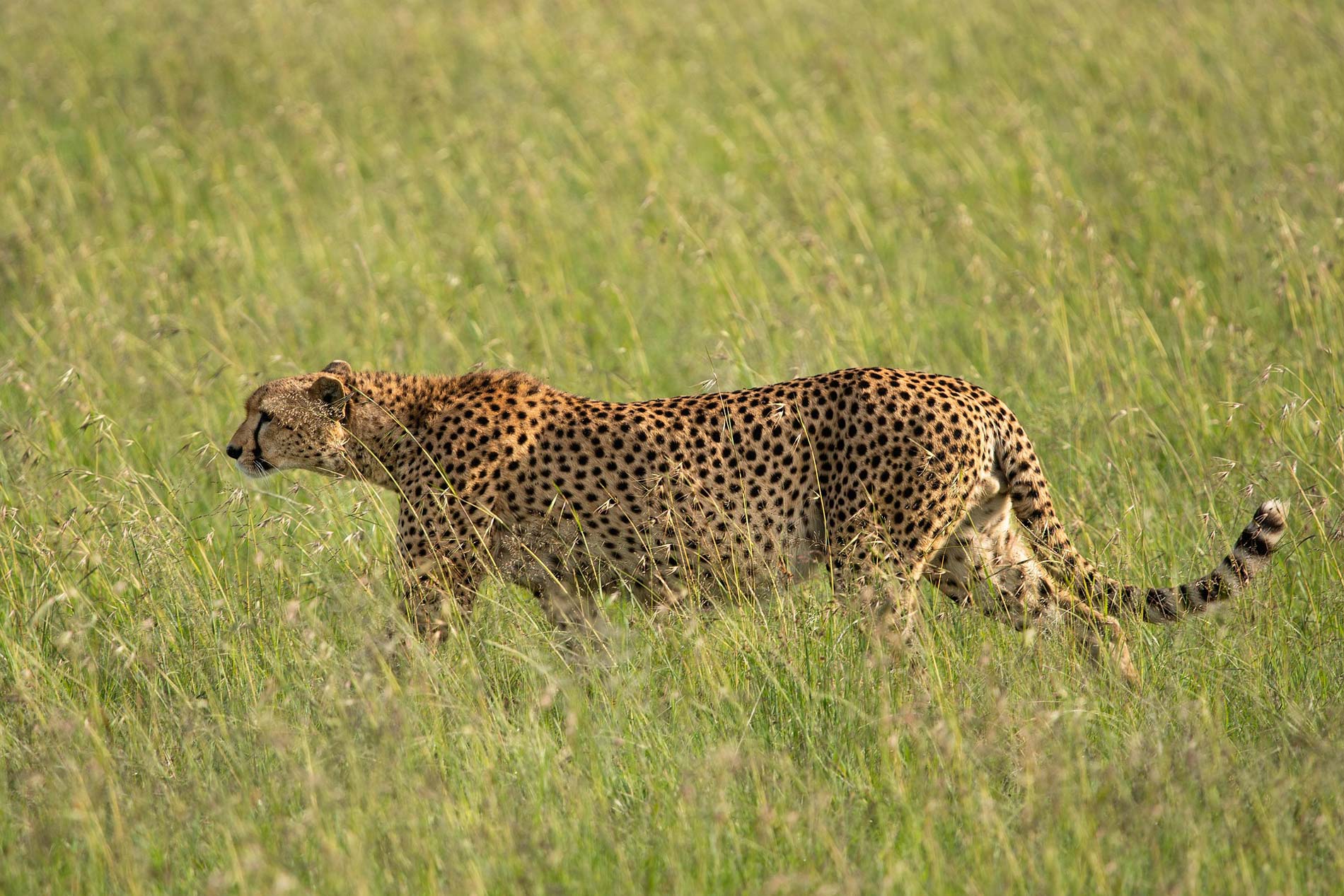
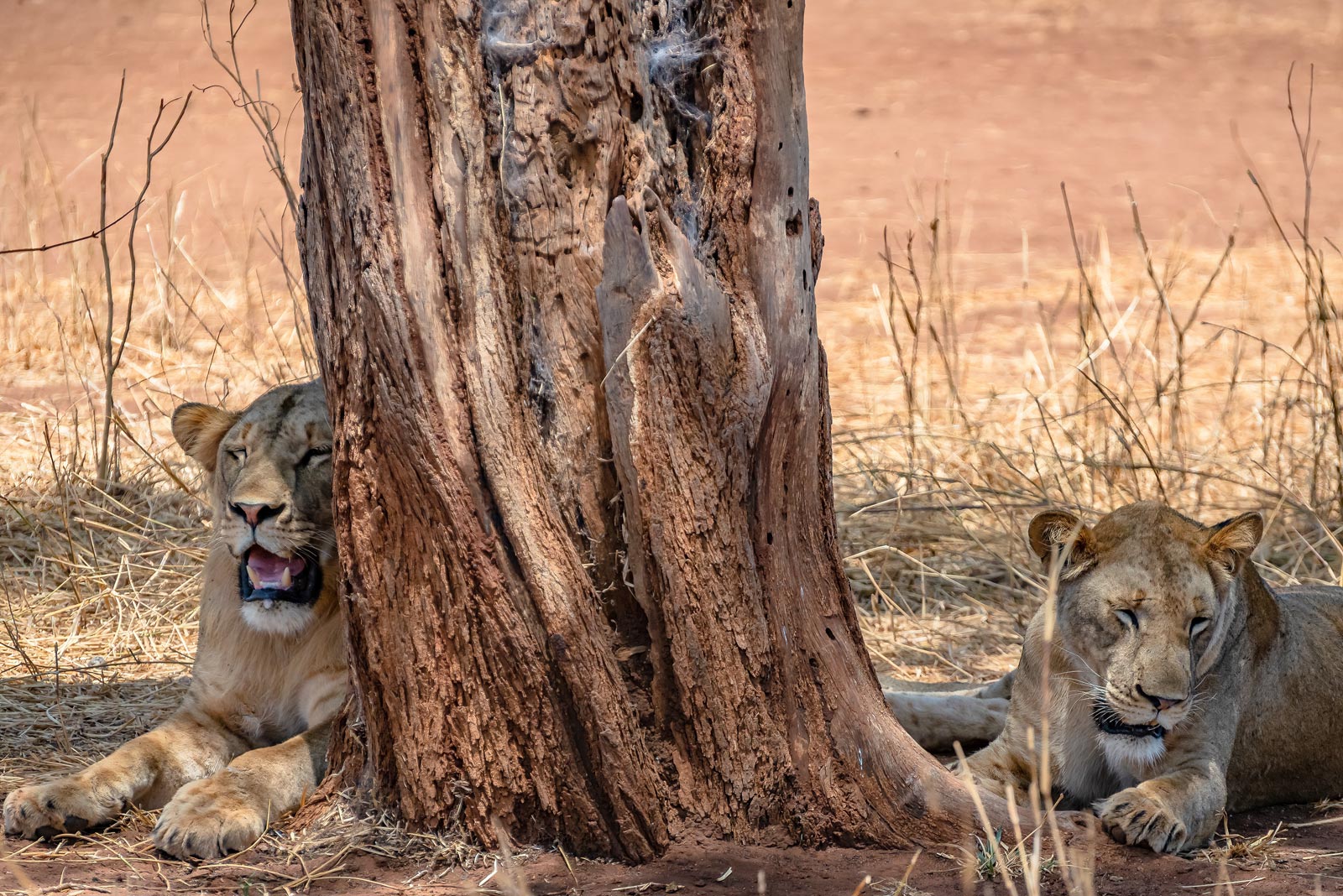
The Serengeti provides excellent habitat for major African predators. Lions, leopards, and cheetahs can be encountered in different parts of the ecosystem, although sightings are never guaranteed. Their presence creates opportunities to observe hunting, territorial behavior, resting, and interactions with other animals.
Large mammals such as African elephants, buffaloes, and black rhinos add further diversity to the Serengeti’s wildlife. Elephants may be seen moving through woodland and open areas, while buffaloes often gather in substantial herds. Black rhinos are much more elusive, making sightings particularly special.
The Serengeti also supports hyenas, wild dogs, hippos, and crocodiles. These species occupy different ecological niches across the park. Hippos are closely associated with water, while crocodiles can be found in rivers and other suitable waterways. Hyenas and wild dogs contribute to the complex predator community.
More than 500 bird species have been recorded in the Serengeti, making the park a paradise for bird enthusiasts. The variety includes raptors, grassland birds, waterbirds, and colorful species found in woodland and savannah habitats. Birdwatchers can therefore enjoy excellent opportunities alongside traditional big-game viewing.
Because of its immense size, wildlife is naturally dispersed across different parts of the Serengeti rather than concentrated in one small area. This creates a more authentic wilderness experience and means every game drive can feel different. Travelers may spend time exploring open plains, woodland, river areas, or seasonal wildlife concentrations while searching for the animals that make the Serengeti famous.

Despite being smaller than the Serengeti, the Masai Mara offers exceptional game viewing because wildlife is often concentrated within a relatively compact area. This can make it possible for visitors to encounter a wide variety of animals during a single game drive without covering extremely long distances between sightings.
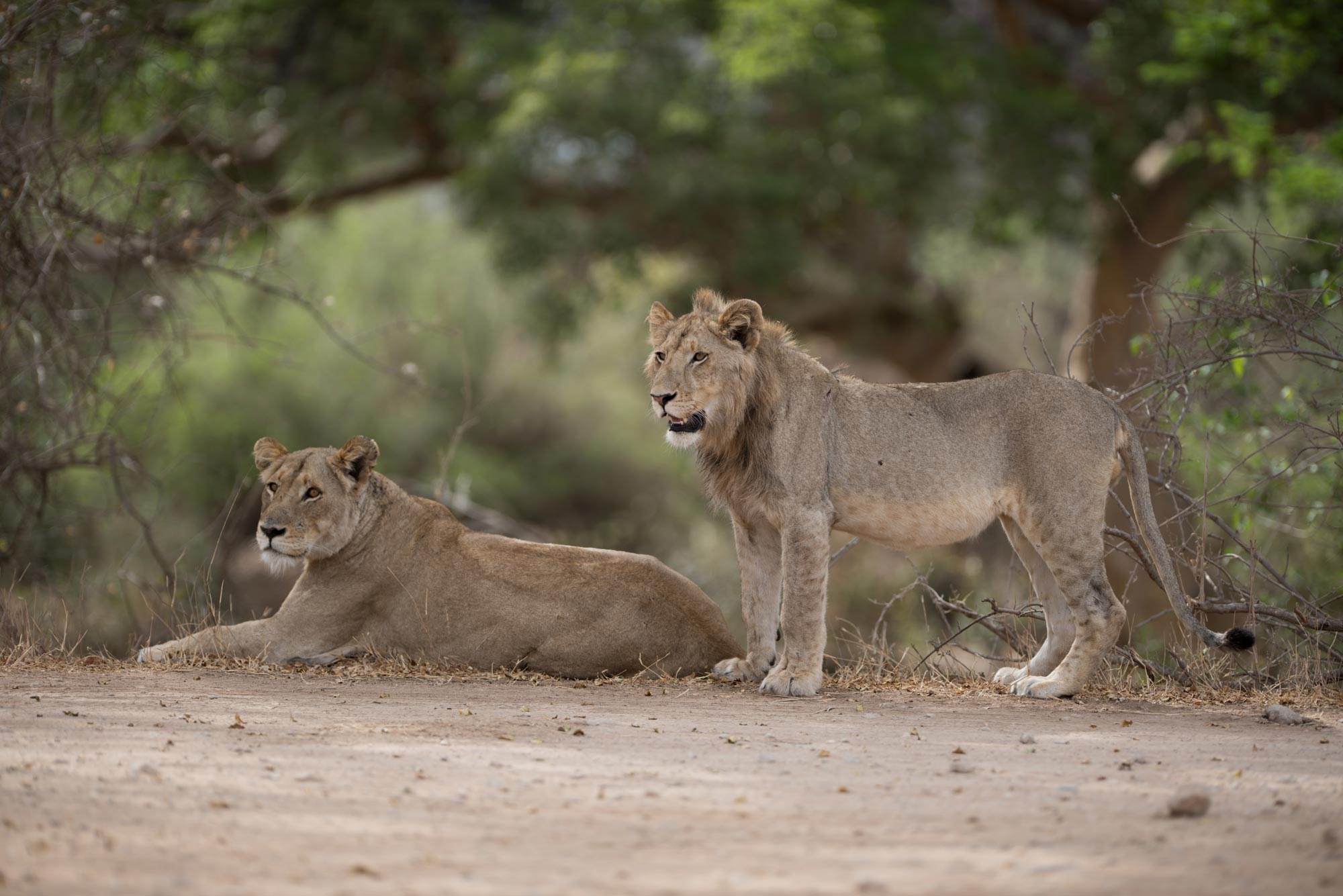
The Masai Mara is particularly famous for its large lion prides and frequent predator activity. Lions can often be seen resting, hunting, or interacting with members of their pride. Leopards and cheetahs also inhabit the reserve, although sightings of these more elusive cats depend on location, timing, and luck.
Large herbivores are another important part of the Mara’s wildlife. Visitors commonly encounter elephants and buffaloes, while rhinos are also present. Observing these powerful animals in their natural environment adds to the variety of experiences available during a safari.
Giraffes can be seen moving across open grasslands and browsing on vegetation, while hippos and crocodiles are closely associated with the Mara River and other suitable waterways. River areas can provide particularly interesting wildlife encounters, especially when animals gather around water.
The Mara also supports hyenas, jackals, and numerous antelope species. These animals play important roles within the ecosystem and can frequently be encountered during game drives. Different antelope species occupy various habitats, adding further diversity to the reserve’s wildlife population.
The combination of abundant prey, open grasslands, and a strong predator population makes the Masai Mara particularly well known for predator action. Lions, cheetahs, leopards, and hyenas interact with a wide range of herbivores, creating opportunities to observe natural behaviors. While wildlife encounters can never be guaranteed, the Mara’s high concentration of animals makes it an exciting destination for game viewing.
Â
One of Africa’s greatest natural wonders is the annual migration of nearly two million animals between Tanzania and Kenya.
The migration spends most of the year inside Tanzania.
Highlights include:
The migration typically reaches the Masai Mara between July and October, depending on rainfall.
Visitors during this period enjoy:
Since the migration remains in Kenya for only a few months, timing is crucial.
Photography enthusiasts usually prefer January, February, September, and October.
These months often deliver crystal-clear skies, dramatic sunrises, and unforgettable summit views. During dry seasons, photographers have better opportunities to capture glaciers, volcanic landscapes, and wildlife around the mountain.
Cloud-free mornings provide some of the most spectacular scenery found anywhere in East Africa.
Travelers looking to save money may consider climbing during March, May, or November.
Some tour operators offer discounted packages because visitor numbers are lower during these months.
While weather conditions are less predictable, careful preparation allows budget-conscious adventurers to enjoy a memorable Kilimanjaro experience at a lower cost.
The Serengeti is famous for its vast, seemingly endless grasslands stretching across the horizon. These open plains provide spectacular views and create ideal conditions for observing large herds of wildebeest, zebras, and other grazing animals moving across the landscape.
Granite kopjes are distinctive rocky outcrops scattered across parts of the Serengeti. These ancient rock formations rise above the surrounding plains and provide important resting and lookout areas for wildlife. They also create dramatic scenery and distinctive photographic backgrounds during game drives.
Acacia woodlands add variety to the predominantly open landscapes. These areas provide shade, food, and shelter for different wildlife species while creating habitats for birds and smaller animals. Moving between open plains and woodland gives visitors a constantly changing safari environment.
River valleys and seasonal wetlands provide important sources of water and support a wide range of wildlife. During wetter periods, temporary water sources can transform parts of the landscape, attracting birds, herbivores, and other animals while adding greenery to the surrounding plains.
Rolling hills provide additional variation across the Serengeti, with elevated areas offering broad views over the surrounding ecosystem. The park’s immense size creates a powerful feeling of open, untouched wilderness, allowing travelers to experience landscapes that seem to continue far beyond the horizon.
The Masai Mara is characterized by rolling savannah landscapes that provide excellent visibility during game drives. The open terrain supports large populations of grazing animals and allows visitors to observe wildlife against expansive grassland backgrounds.
Acacia trees are scattered across many areas of the Mara, providing shade and food for wildlife. Their distinctive shapes also contribute to the classic East African safari scenery, particularly during early morning and late afternoon when the changing light highlights the landscape.
Vegetation becomes denser around waterways, creating riverine forests that provide important habitat for wildlife and birds. These areas contrast with the open savannah and can offer opportunities to observe animals seeking shade, drinking water, or moving through thicker vegetation.
The Mara’s scenic hills add elevation and variety to its relatively compact landscape. From higher viewpoints, travelers can appreciate the surrounding plains and wildlife habitats, creating excellent opportunities for landscape photography and broader views of the reserve.
The Mara River is one of the region’s most recognizable natural features. It supports aquatic wildlife and plays an important role in the Great Migration, particularly during the dramatic river-crossing period. The river and surrounding vegetation also provide a striking contrast to the open grasslands.
The Masai Mara’s relatively compact terrain can make wildlife easier to locate compared with the much larger Serengeti. Visitors can often explore different habitats within a shorter area, combining open plains, riverine vegetation, hills, and woodland during a single safari experience.

Ideal for travelers seeking:
The Serengeti feels expansive and less crowded, especially in central and southern regions.
Perfect for visitors wanting:
Game drives often produce remarkable sightings within a relatively short distance.
| Feature | Serengeti | Masai Mara |
|---|---|---|
| Country | Tanzania | Kenya |
| Size | 14,763 km² | 1,510 km² |
| Wildlife Density | Excellent | Outstanding |
| Great Migration | Year round movement | July–October |
| River Crossings | Yes | Yes |
| Big Five | Yes | Yes |
| Accessibility | Moderate | Easy |
| Safari Length | Longer | Shorter |
| Wilderness Feel | Exceptional | Moderate |
| Luxury Lodges | Excellent | Excellent |
Choose the Serengeti if you:
Choose the Masai Mara if you:
For the ultimate East African safari, many travelers combine both destinations into one unforgettable journey. This allows you to experience the endless plains of the Serengeti alongside the wildlife rich grasslands of the Masai Mara, gaining a complete perspective on one of the world’s greatest natural ecosystems.
Neither destination is objectively better they offer different safari experiences. The Serengeti is ideal for travelers seeking vast wilderness, diverse landscapes, and a longer safari adventure.
The Great Migration takes place year round across the Serengeti Masai Mara ecosystem. The best time to see the famous Mara River crossings is typically from July to October, while the Serengeti's calving season occurs between January and March, offering incredible opportunities to witness newborn wildebeest and predator activity.
In general, yes. A Serengeti safari often costs more due to higher park fees, longer travel distances, and domestic flights within Tanzania.Â
Yes. Both the Serengeti National Park and the Masai Mara National Reserve are home to the Big Five lion, leopard, elephant, buffalo, and rhino. While rhinos are rarer to spot in the Serengeti, both destinations provide excellent opportunities for Big Five safaris.
For the best experience, plan 4–6 days in the Serengeti to explore its vast landscapes and diverse wildlife. In the Masai Mara, 3–4 days is usually enough to enjoy excellent game drives and increase your chances of seeing the Big Five and the Great Migration during the season.
The Masai Mara is often recommended for first time safari visitors because it is easier to access from Nairobi and has one of the highest concentrations of wildlife in Africa. However, travelers looking for a more immersive wilderness experience may find the Serengeti equally rewarding.
Need help? Our team is just a message away