Tanzania is one of the most beautiful travel destinations in Africa. It is a country filled with breathtaking landscapes, incredible wildlife, stunning beaches, and rich cultural experiences. Whether you dream of seeing the Great Migration in the Serengeti, climbing Mount Kilimanjaro, relaxing on the white sandy beaches of Zanzibar, or exploring the famous Ngorongoro Crater, Tanzania has something special for every traveler.
One of the most common questions people ask before planning their trip is, “What is the best time to visit Tanzania?” The answer depends on what you want to experience. Tanzania offers unique attractions throughout the year, and each season has its own advantages. Some months are perfect for wildlife safaris, while others are ideal for beach holidays, mountain climbing, or birdwatching.
Understanding Tanzania’s weather and travel seasons will help you make the most of your trip. Choosing the right time can improve wildlife viewing, reduce travel costs, and give you a more comfortable experience. In this guide, you will learn about Tanzania’s seasons, monthly travel conditions, and the best times to visit based on different activities. By the end, you will have all the information you need to plan an unforgettable journey.

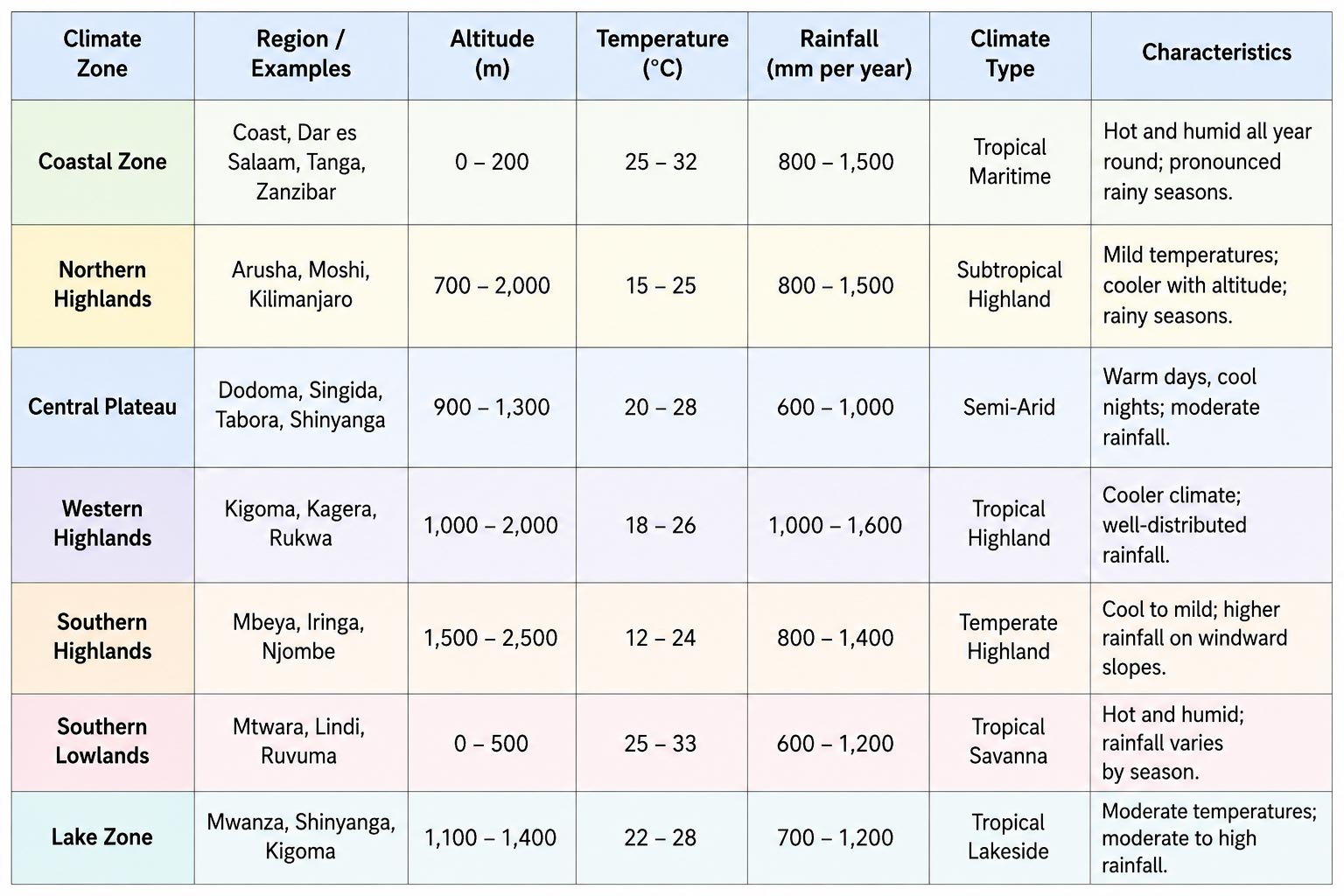
Tanzania has a tropical climate, but the weather varies depending on the region and altitude. Coastal areas such as Zanzibar, Dar es Salaam, and Bagamoyo are warm and humid throughout the year. On the other hand, northern safari destinations like Serengeti, Tarangire, and Ngorongoro enjoy cooler temperatures, especially during the evenings. Mountain areas around Mount Kilimanjaro experience much colder weather because of their higher elevation.
The country has two main rainy seasons. The long rains usually occur from March to May, while the short rains arrive between November and December. The dry season stretches from June to October and is widely considered the best period for wildlife safaris. During this time, animals gather around rivers and waterholes, making them much easier to spot.
Although weather patterns can vary slightly each year, Tanzania remains a year-round destination. Even during the rainy months, many attractions remain open, and visitors can enjoy fewer crowds, greener landscapes, and lower accommodation prices.
 For many visitors, going on a safari is the main reason for traveling to Tanzania. The country is home to world-famous national parks such as Serengeti National Park, Ngorongoro Conservation Area, Tarangire National Park, Lake Manyara National Park, Ruaha National Park, and Nyerere National Park. Each offers unforgettable wildlife experiences.
The dry season from June to October is generally considered the best time for safaris. During these months, vegetation becomes thinner, making it easier to see animals. Water sources become limited, so elephants, lions, zebras, giraffes, buffaloes, and other wildlife gather near rivers and waterholes. This creates excellent opportunities for photography and game viewing.
The cooler temperatures also make safari drives more comfortable. Mosquito numbers are lower compared to the rainy season, and roads remain in good condition. Whether you are visiting the famous northern safari circuit or exploring southern Tanzania, the dry season offers some of the best wildlife viewing opportunities in Africa.
If you want the classic African safari experience with clear skies and excellent game viewing, planning your trip between June and October is an excellent choice.
Tarangire, Serengeti, Ngorongoro Crater Zanzibar Beaches & Safaris
Tarangire, Serengeti, Ngorongoro Crater Zanzibar leisure & Beach Relaxation
Tarangire, Southern Serengeti, Northern Serengeti & Ngorongoro Crater
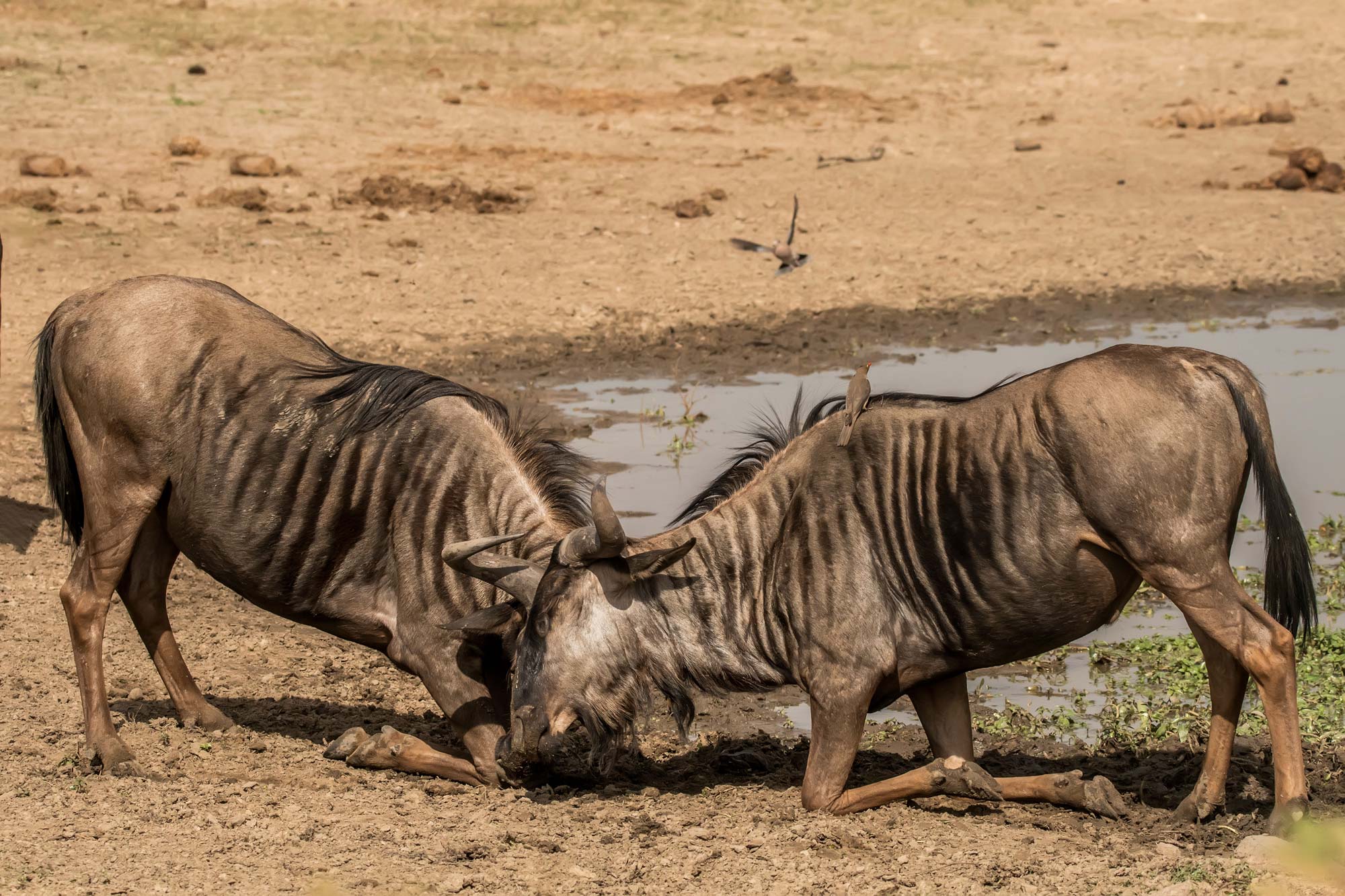
The Great Migration is one of the world’s most spectacular wildlife events and a remarkable example of nature’s seasonal rhythms. Every year, millions of wildebeests, zebras, and gazelles travel across the Serengeti ecosystem in search of fresh grazing land and water. This continuous movement attracts travelers from around the world and offers different wildlife experiences depending on where the herds are located.
The migration happens throughout the year, but the animals move to different parts of the Serengeti depending on the season and availability of fresh grass. Between January and March, the southern Serengeti becomes the calving season. Thousands of baby wildebeests are born within a short period, attracting predators such as lions, cheetahs, and hyenas. This creates incredible wildlife viewing opportunities, especially for travelers interested in observing predator-prey interactions and newborn animals.
From June to July, the migration moves toward the western corridor, where visitors may witness dramatic river crossings as the herds continue their journey. During August to October, the herds reach the northern Serengeti near the Mara River. Here, the famous river crossings take place, where thousands of animals brave crocodile-filled waters in one of nature’s most dramatic spectacles. The exact timing of these crossings can vary because the movement depends on rainfall, grazing conditions, and the animals’ natural behavior.
Because the migration is constantly moving, choosing the right location and travel dates is important. There is no single month that guarantees a particular sighting, as the herds do not follow a fixed schedule. Many safari operators adjust their itineraries to follow the herds throughout the year, giving travelers the best chance of witnessing this incredible event. Planning with some flexibility can therefore make it easier to reach the areas where the animals are most concentrated.

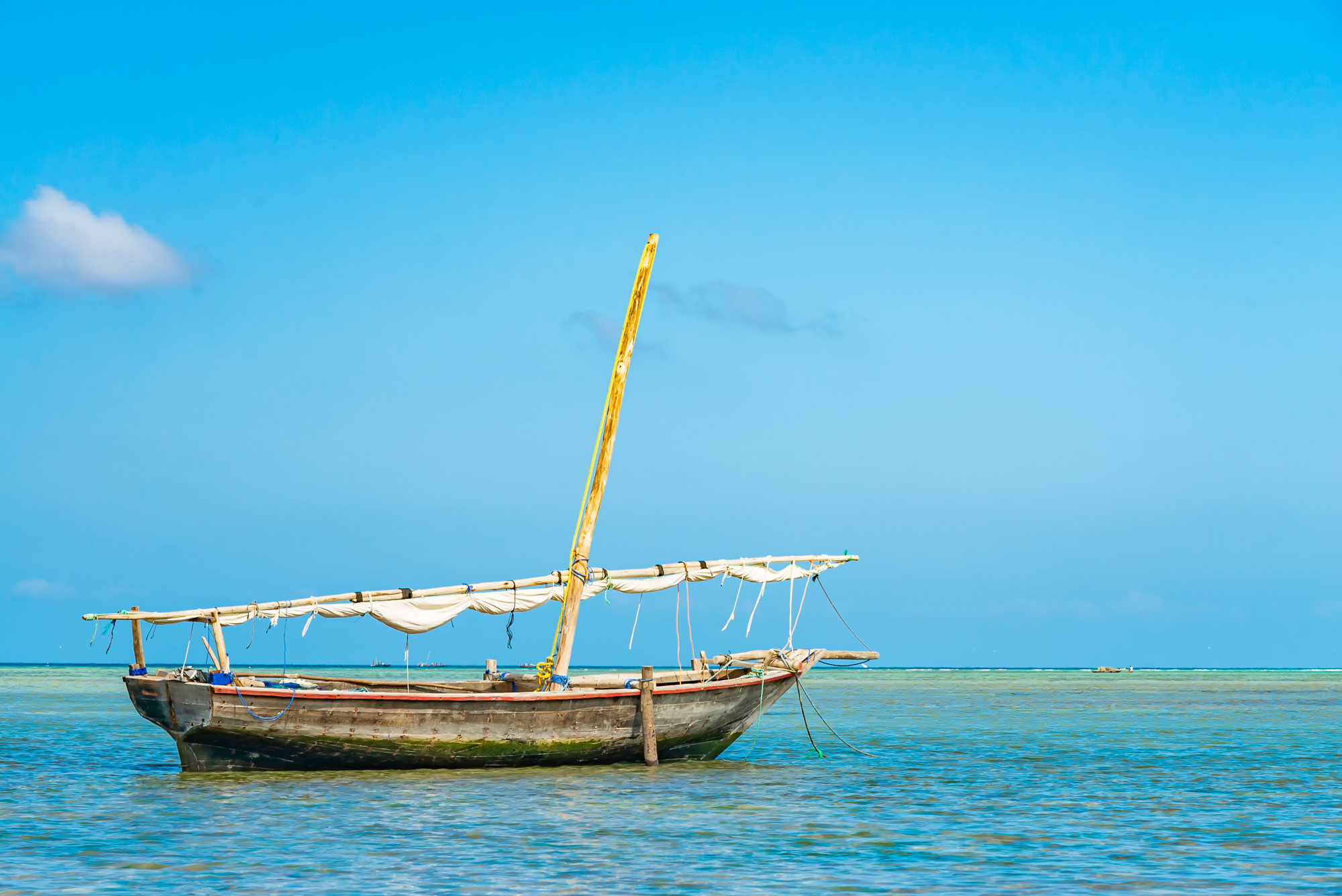
Zanzibar is Tanzania’s tropical paradise, famous for its crystal-clear waters, soft white beaches, rich history, and vibrant culture. It is the perfect destination to relax after a safari adventure.
The best months to visit Zanzibar are from June to October and again between December and February. During these periods, the weather is warm, sunny, and relatively dry. The ocean remains calm, making it ideal for swimming, snorkeling, scuba diving, and boat excursions.
Beach lovers can spend their days enjoying the turquoise waters, while history enthusiasts can explore Stone Town’s narrow streets, historic buildings, and bustling markets. Sunset cruises, spice tours, and dolphin tours are also popular activities during these months.
Although Zanzibar can be visited throughout the year, the heavy rains from March to May may affect outdoor activities. Some hotels temporarily close for maintenance during this period, although travelers who do visit often enjoy lower prices and quieter beaches.
Mount Kilimanjaro is Africa’s highest mountain and attracts thousands of climbers every year. Reaching the summit is a dream for many adventure travelers, but choosing the right season is important for safety and success.
The best climbing seasons are from January to early March and from June to October. During these months, the weather is generally drier, visibility is better, and trails are less muddy. Climbers also enjoy clearer views of the surrounding landscapes.
January and February offer slightly warmer temperatures with fewer crowds than the middle of the year. June through October is the busiest climbing season because it coincides with the dry months and international holiday periods.
Climbing during the rainy seasons is possible, but slippery trails, poor visibility, and wet conditions can make the journey much more challenging. Regardless of the season, proper preparation, quality equipment, and gradual acclimatization are essential for a successful climb.
Many travelers automatically avoid the rainy season, but visiting Tanzania during the green season has several advantages. The landscapes become lush and vibrant, flowers bloom across the parks, and wildlife photography takes on a completely different character.
The green season is especially attractive for birdwatchers. Thousands of migratory birds arrive in Tanzania, creating excellent birdwatching opportunities in national parks, wetlands, and lakes. Bird enthusiasts often consider this one of the best times to visit.
Accommodation prices are usually lower, making travel more affordable. Popular attractions are also less crowded, allowing visitors to enjoy a quieter and more relaxed experience. Safari vehicles encounter fewer tourists, giving guests more personal wildlife encounters.
Although occasional rain showers occur, they often last only a few hours rather than the entire day. Travelers who value peaceful surroundings, beautiful scenery, and better travel deals may find the green season surprisingly rewarding.
The high season runs mainly from June to October and during late December. During this period, national parks are busier, accommodation prices are higher, and popular lodges often sell out months in advance. However, visitors enjoy outstanding wildlife viewing, dry weather, and ideal travel conditions. The dry vegetation can also make animals easier to spot around water sources, while clear skies provide excellent conditions for photography and game drives.
The low season generally includes March, April, and May. Travelers benefit from lower hotel rates, discounted safari packages, and fewer crowds. The scenery becomes incredibly green, making it a wonderful time for landscape photography and peaceful exploration. The quieter atmosphere can also allow visitors to enjoy game drives with fewer vehicles, although some roads may become muddy or more difficult to access during periods of heavier rainfall.
The shoulder seasons, including January, February, November, and early December, offer an excellent balance between pleasant weather, moderate prices, and fewer tourists. Many experienced travelers consider these months among the best times to visit Tanzania. These periods can provide a good combination of comfortable travel conditions, attractive landscapes, and opportunities for wildlife viewing without the higher visitor numbers associated with the busiest months.

When planning your visit, think carefully about your travel priorities and choose your travel dates accordingly. If wildlife is your main focus, schedule your safari during the dry season, when conditions are generally favorable for game viewing. If your goal is to witness the Great Migration, research where the herds are expected to be during your travel dates, as their movements change throughout the year. Beach lovers should aim for the sunny months when Zanzibar enjoys clear skies and calm seas, making it easier to enjoy swimming, boat trips, and other coastal activities.
Booking flights and accommodation several months in advance is recommended if you plan to travel during the peak safari season. Popular lodges near the Serengeti and Ngorongoro often become fully booked well before the busiest months, particularly those in prime locations for wildlife viewing. Early planning can give you a wider choice of accommodation, safari routes, and preferred travel dates rather than having to rely on limited availability.
Pack clothing suitable for changing temperatures, especially if your itinerary includes both safari areas and higher-altitude destinations. Even during warm months, mornings and evenings on safari can be surprisingly cool. Comfortable walking shoes, sunscreen, a hat, sunglasses, insect repellent, and a light rain jacket are useful items for most trips. Neutral-colored, lightweight clothing can also be practical for game drives and outdoor activities.
Finally, remain flexible because nature is unpredictable, and wildlife movements can change depending on rainfall and local conditions. Even carefully planned safari itineraries may need small adjustments to reach the best wildlife areas. Keeping an open mind allows you to enjoy unexpected sightings, changing landscapes, and quieter moments along the way. Every visit to Tanzania offers something unique, regardless of the season, which is part of what makes traveling through the country so rewarding.
The best months to visit Tanzania are June to October, when the weather is dry and wildlife viewing is at its best. If you want to see the wildebeest calving season in the Serengeti, January and February are also excellent months to travel.
The ideal time for a Tanzania safari is during the dry season from June to October. Animals gather around rivers and waterholes, making them easier to spot. The weather is also cooler and more comfortable for game drives.
The Great Migration can be seen throughout the year in different parts of the Serengeti. January to March is the calving season in the southern Serengeti, while July to October is the best time to witness the famous Mara River crossings in the northern Serengeti.
Yes. Visiting Tanzania during the rainy season offers lush green landscapes, fewer tourists, lower hotel prices, and excellent birdwatching opportunities. Although there may be occasional showers, many parks and attractions remain open.
The best time to visit Zanzibar is from June to October and December to February. These months have warm temperatures, sunny weather, and calm seas, making them perfect for swimming, snorkeling, diving, and relaxing on the beach.
The best time to climb Mount Kilimanjaro is during the dry seasons, from January to early March and June to October. These months provide better weather, clearer views, and safer hiking conditions.
The most affordable time to visit Tanzania is during the long rainy season from March to May. Many hotels, safari lodges, and tour operators offer discounted rates, making it a great choice for budget travelers who don’t mind occasional rain.
Need help? Our team is just a message away