
Yellow Fever Requirements: Complete Guide for International Travelers
Yellow fever requirements can be confusing, especially when you are planning an international trip and your journey includes several countries. Some destinations recommend the yellow fever vaccine because the disease can occur there, while others require proof of vaccination only when travelers arrive from a country where yellow fever transmission occurs. Understanding the rules before you travel can help you avoid delays at immigration, unexpected vaccination costs, or problems during connecting flights. The official document used to prove vaccination is called the International Certificate of Vaccination or Prophylaxis, commonly known as the yellow card.
Yellow fever is a viral disease spread mainly through the bites of infected mosquitoes. It occurs mainly in parts of tropical Africa and South America. Not every traveler needs the vaccine, and vaccination requirements are different from health recommendations. A country may have little or no yellow fever transmission but still require certain travelers to show proof of vaccination when they arrive from a risk country. This is why checking your complete travel route is important rather than looking only at your final destination.
For travelers visiting Tanzania, the distinction is particularly important. Yellow fever vaccination is generally not recommended for most travelers visiting Tanzania because the potential for exposure is considered low. However, Tanzania requires a yellow fever vaccination certificate from travelers aged over one year arriving from countries where yellow fever transmission is a risk. The requirement can also apply after a qualifying transit through a yellow fever risk country.
This guide explains the main yellow fever requirements, when you need the vaccine, how the yellow card works, how long the certificate remains valid, and what travelers should know before visiting Tanzania. The rules can change, so travelers should always confirm the latest entry requirements with official authorities before departure.
What Is Yellow Fever?
Yellow fever is a mosquito borne viral infection found mainly in tropical areas of Africa and South America. Infected mosquitoes transmit the virus when they bite people. Many infected people may experience mild or no symptoms, but some develop serious illness. Symptoms can include fever, headache, muscle pain, nausea, vomiting, weakness, and loss of appetite. In severe cases, yellow fever can cause jaundice, bleeding, organ failure, and other life-threatening complications.
There is no specific antiviral treatment that cures yellow fever. Medical care generally focuses on managing symptoms and preventing complications. This makes prevention particularly important for people traveling to areas where the virus is circulating. The yellow fever vaccine provides strong protection and is also used by countries as an entry requirement to reduce the possibility of international spread.
The vaccine is not automatically required for every person traveling to Africa or South America. Requirements depend on the destination, the traveler’s previous countries of travel, age, and sometimes the length of a transit stop. Therefore, travelers should not assume that a trip to an African country automatically means they must be vaccinated.
What Are Yellow Fever Requirements?
Yellow fever requirements are rules established by countries to protect their populations from the introduction and spread of yellow fever. A country can require travelers to provide proof of vaccination even when yellow fever is not a major health risk within that country. These entry rules are especially important for travelers coming from areas where yellow fever virus transmission occurs.
There is an important difference between a yellow fever vaccination recommendation and a yellow fever entry requirement. A recommendation is medical advice based on the risk of catching the disease during your trip. An entry requirement is a border-control rule that determines whether you must provide vaccination documentation when entering a country.
For example, Tanzania generally does not recommend yellow fever vaccination for most travelers simply because they are visiting Tanzania. However, travelers arriving from yellow fever risk countries may be required to show a valid vaccination certificate.
This distinction matters because some travelers get vaccinated unnecessarily while others fail to carry the documentation they need. Before traveling, check both the health recommendation and the entry requirement for every country on your itinerary.
EXPLORE OUR TANZANIA SAFARI PUPULAR PACKAGES
SAFARI & ZANZIBAR
12 DAYS/ 11 NIGHTS
Tarangire, Serengeti, Ngorongoro Crater Zanzibar Beaches & Safaris
tanzania safari&zanzibar
10 DAYS/ 9 NIGHTS
Tarangire, Serengeti, Ngorongoro Crater Zanzibar leisure & Beach Relaxation
Tanzania safari north
10 DAYS/ 9 NIGHTS
Tarangire, Southern Serengeti, Northern Serengeti & Ngorongoro Crater
Do You Need a Yellow Fever Vaccine?
Whether you need a yellow fever vaccine depends on your destination and travel history. Travelers going directly from countries without yellow fever transmission to destinations that do not require vaccination generally do not need the vaccine for entry. However, the situation changes when a traveler has recently visited a yellow fever risk country.
Some countries require vaccination certificates from travelers arriving from yellow fever risk areas. In certain cases, the rule can apply even when the traveler did not leave the airport during a long international transit. Tanzania, for example, can require a certificate from travelers who have spent more than 12 hours in transit at an airport in a country with yellow fever transmission risk.
Your age can also matter. Tanzania’s yellow fever entry requirement applies to travelers over one year of age arriving from risk areas. Other countries can use different age thresholds, so travelers should never assume that one country’s rule applies everywhere.
Yellow Fever Requirements for Tanzania and Zanzibar
Travelers often ask whether Zanzibar has separate yellow fever rules from mainland Tanzania. Zanzibar is part of the United Republic of Tanzania, and travelers should consider the country’s entry requirements when planning their journey. The CDC’s Tanzania traveler guidance includes Tanzania and Zanzibar and states that vaccination is generally not recommended for travel to Tanzania, while entry requirements apply to travelers arriving from yellow fever risk countries.
If you are flying directly into Tanzania from a country without yellow fever transmission risk, you may not be required to have a yellow fever certificate simply because you are continuing to Zanzibar. However, your previous travel history can matter. This is particularly important for travelers combining Tanzania with Kenya, Uganda, Ethiopia, South America, or other destinations where yellow fever requirements may apply.
If your trip begins in another African country and continues to Tanzania, check whether that country is considered a yellow fever risk country under the current rules. Also check your transit times. A long airport stop can sometimes affect entry requirements even when you remain inside the airport.
When Should You Get the Yellow Fever Vaccine?
If yellow fever vaccination is required for your trip, timing is important. A yellow fever vaccination certificate becomes valid for international travel 10 days after the primary vaccination.
For this reason, travelers should avoid waiting until the day before departure. If your destination requires proof of vaccination and you receive the vaccine too late, the certificate may not yet be considered valid when you arrive.
Ideally, arrange a travel-health consultation several weeks before your journey. This gives you enough time to review your itinerary, receive any necessary vaccines, discuss mosquito protection, and obtain the correct documentation.
Yellow Fever Requirements for Children
Children can also be subject to yellow fever entry requirements. The minimum age varies between countries, so parents should check the rules for their specific itinerary.
For Tanzania, the current guidance states that the certificate requirement applies to travelers over one year of age arriving from countries with yellow fever transmission risk.
Parents traveling with children should carry vaccination records together with passports and other health documents. Do not assume that children are automatically exempt from international vaccination requirements.
Yellow Fever Requirements for Transit Passengers
Transit rules are one of the biggest sources of confusion for international travelers. A passenger may think that vaccination requirements do not apply because they are only changing planes. However, some countries consider the duration of a transit when determining whether a traveler needs proof of vaccination.
Tanzania’s current guidance states that a yellow fever certificate can be required for travelers who have transited for more than 12 hours through an airport in a country where yellow fever transmission is a risk.
Yellow Fever Vaccine Exemptions and Medical Waivers
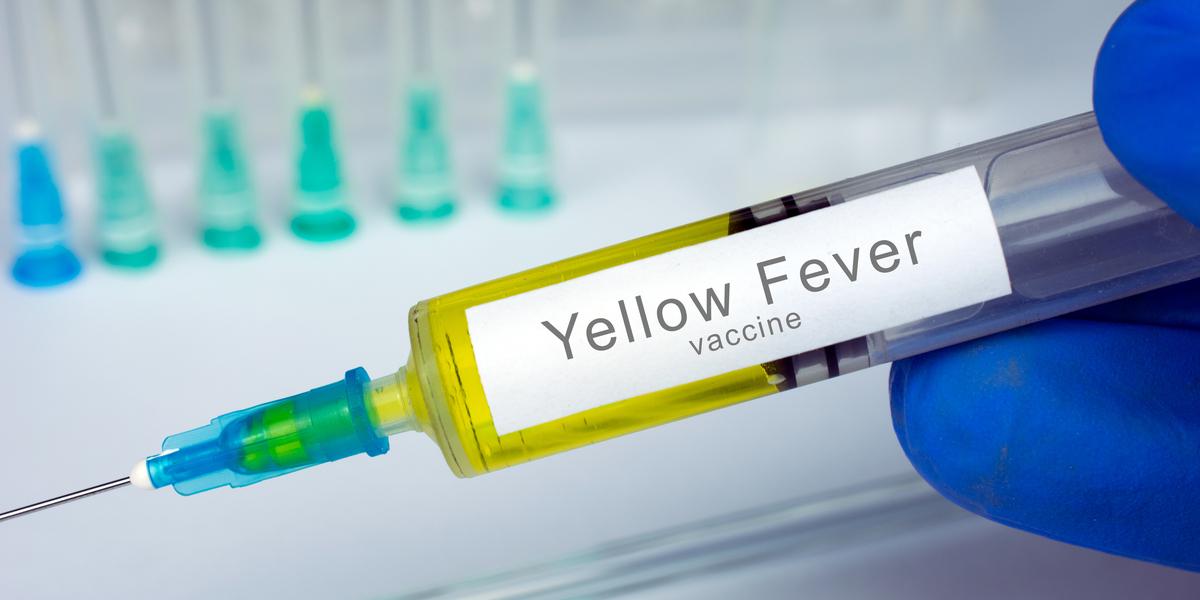
Not everyone can safely receive the yellow fever vaccine. The vaccine is a live-virus vaccine, and certain medical conditions can make vaccination unsuitable or require careful medical assessment. CDC guidance lists several contraindications and precautions, including certain immune-system conditions, severe allergies to vaccine components, very young age, pregnancy, breastfeeding, and older age in some circumstances.
If vaccination is medically unsafe, a qualified healthcare professional may be able to provide a medical waiver. Such waivers must be completed according to international requirements and may need official validation. A waiver does not automatically guarantee entry into every country.
Travelers with a medical reason not to receive the vaccine should discuss their plans with a travel-health professional well before departure. The healthcare provider can assess the risks and explain whether a waiver is appropriate.
Yellow Fever Vaccine and Other Travel Vaccines
Yellow fever is only one part of travel health planning. Depending on your destination, activities, and personal circumstances, a healthcare professional may recommend other vaccines or preventive measures.
For travelers to Tanzania, CDC guidance recommends reviewing routine vaccinations and considering vaccines such as hepatitis A, hepatitis B, typhoid, and others depending on the traveler’s circumstances. Malaria prevention is also important in many parts of Tanzania because malaria transmission occurs in areas below approximately 1,800 meters.
This does not mean every traveler needs every vaccine. Travel health advice should be based on your specific destination, activities, length of stay, age, and health history.
Frequently Asked Questions
Is yellow fever vaccination required for Tanzania?
Not for every traveler. Tanzania generally does not recommend yellow fever vaccination for most visitors because the country’s potential for yellow fever exposure is low. However, travelers over one year old arriving from countries with yellow fever transmission risk may need to show a valid vaccination certificate.
Do I need a yellow fever certificate when traveling directly to Tanzania?
If you travel directly from a country without yellow fever transmission risk, a yellow fever certificate is generally not required solely because you are visiting Tanzania. However, your previous travel history and transit points can affect the requirement.
Is the yellow fever vaccine valid for life?
Yes. Under current international rules, a valid yellow fever vaccination certificate is generally recognized for the lifetime of the vaccinated person. A booster should not normally be required simply because ten years have passed.
How many days before travel should I get the yellow fever vaccine?
The certificate becomes valid 10 days after the primary vaccination. Therefore, travelers should receive the vaccine at least 10 days before arriving in a destination where proof is required.
What is the yellow card?
The yellow card is the International Certificate of Vaccination or Prophylaxis, or ICVP. It is the internationally recognized document used to prove yellow fever vaccination when a country requires evidence of vaccination.
Can I travel if I cannot receive the yellow fever vaccine?
Some travelers who cannot safely receive the vaccine may be able to obtain a medical waiver from an authorized healthcare professional. However, acceptance of a waiver depends on the destination’s rules, so travelers should seek professional advice before departure.
Does a long airport transit affect yellow fever requirements?
It can. Tanzania, for example, may require a certificate from travelers who have transited for more than 12 hours through an airport in a yellow fever risk country.