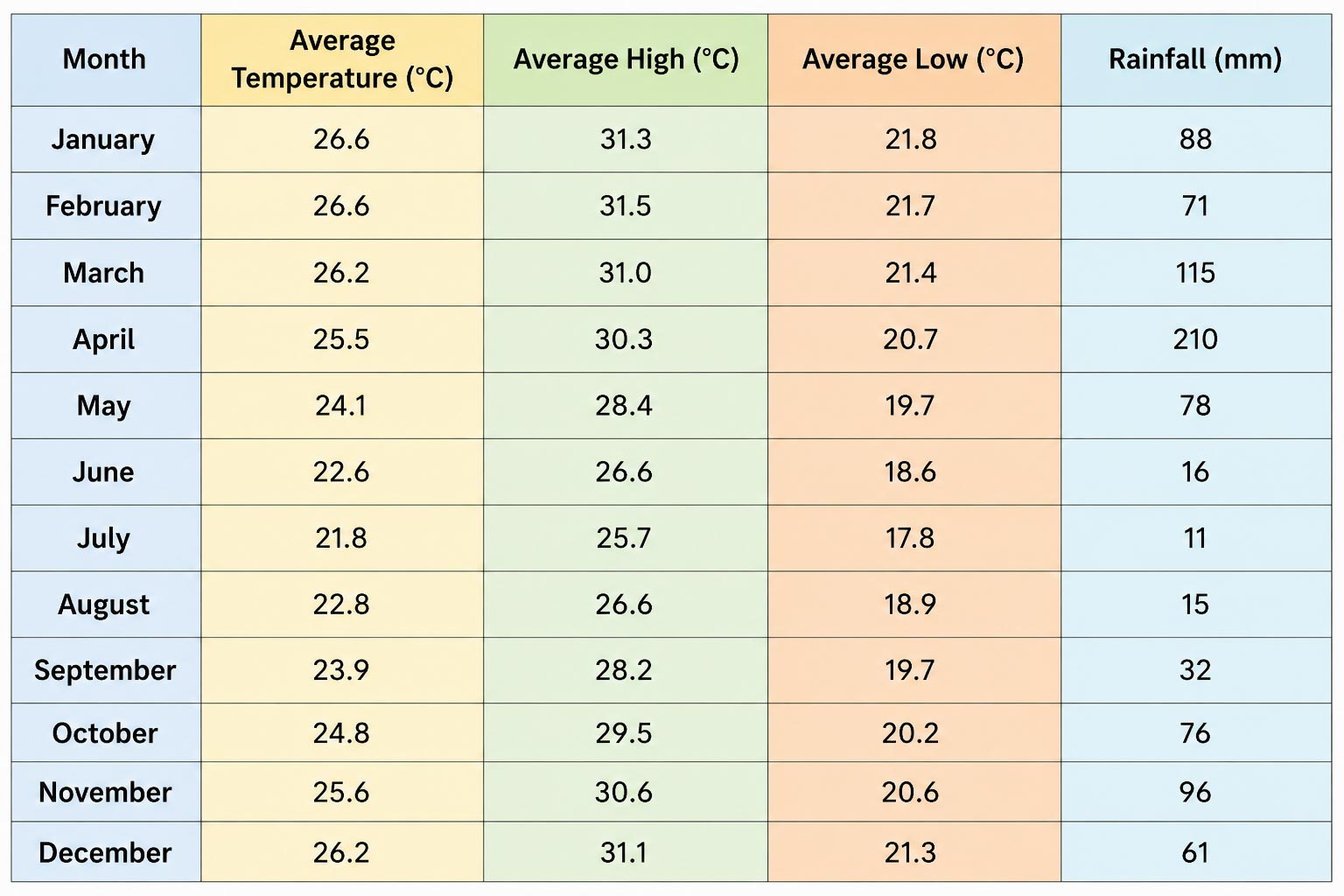
Tanzania is one of Africa’s most exciting travel destinations, but understanding the weather can make your trip much more enjoyable. From the warm beaches of Zanzibar to the cool slopes of Mount Kilimanjaro, the country has several different climate zones. Weather also changes depending on altitude, location, and the time of year. This means that the conditions you experience on safari in the Serengeti may be very different from those on the coast. Tanzania generally stays warm throughout much of the year, but rainfall and temperature patterns vary between regions. The Tanzania Meteorological Authority notes that average temperatures across the country vary considerably, while coastal and western areas are generally warmer than higher regions.
For travelers, knowing the Tanzania weather pattern is especially useful when planning a safari, beach holiday, hiking adventure, or cultural trip. The dry months can offer excellent conditions for wildlife viewing, while the rainy seasons bring green landscapes, fewer visitors, and beautiful photography opportunities. Rain does not necessarily mean that you should cancel your trip. In many areas, showers are short and followed by sunshine. The key is choosing the season that matches your travel goals. This Tanzania weather guide for travelers explains the seasons, regional differences, monthly conditions, packing advice, and the best times for different activities.

Tanzania has a tropical climate in many lowland and coastal areas, but its large size and varied landscape create important regional differences. Coastal destinations such as Dar es Salaam and Zanzibar are generally hot and humid, while areas around Arusha and the northern highlands are cooler because of their elevation. The central and western parts of the country have their own rainfall patterns, while southern regions can experience a longer single rainy season. According to the Tanzania Meteorological Authority, temperatures across the country have historically ranged widely, with higher temperatures commonly found along the coast and in western areas.
Altitude is another major factor. A traveler visiting Zanzibar may experience hot, humid weather while someone climbing Kilimanjaro needs warm layers, gloves, and proper cold-weather equipment. Even safari destinations can feel different during morning and evening game drives. Ngorongoro, for example, sits at a much higher elevation than many surrounding areas and can feel surprisingly cold. The official Tanzania Tourism Board recommends travelers plan around the long and short rains, pack layers for early game drives and highland areas, and check forecasts close to departure.
Tarangire, Serengeti, Ngorongoro Crater Zanzibar Beaches & Safaris
Tarangire, Serengeti, Ngorongoro Crater Zanzibar leisure & Beach Relaxation
Tarangire, Southern Serengeti, Northern Serengeti & Ngorongoro Crater
January and February can be excellent months for travelers who want a combination of warm weather, wildlife, and relatively manageable rainfall in many northern destinations. These months fall between the main rainy periods in many northern and northeastern areas. Days are generally warm, while higher elevations remain cooler. Short rain showers can occur, particularly in areas where local weather systems bring moisture. The landscape can remain green and attractive, making this period appealing to photographers and travelers who prefer scenery with more vegetation.
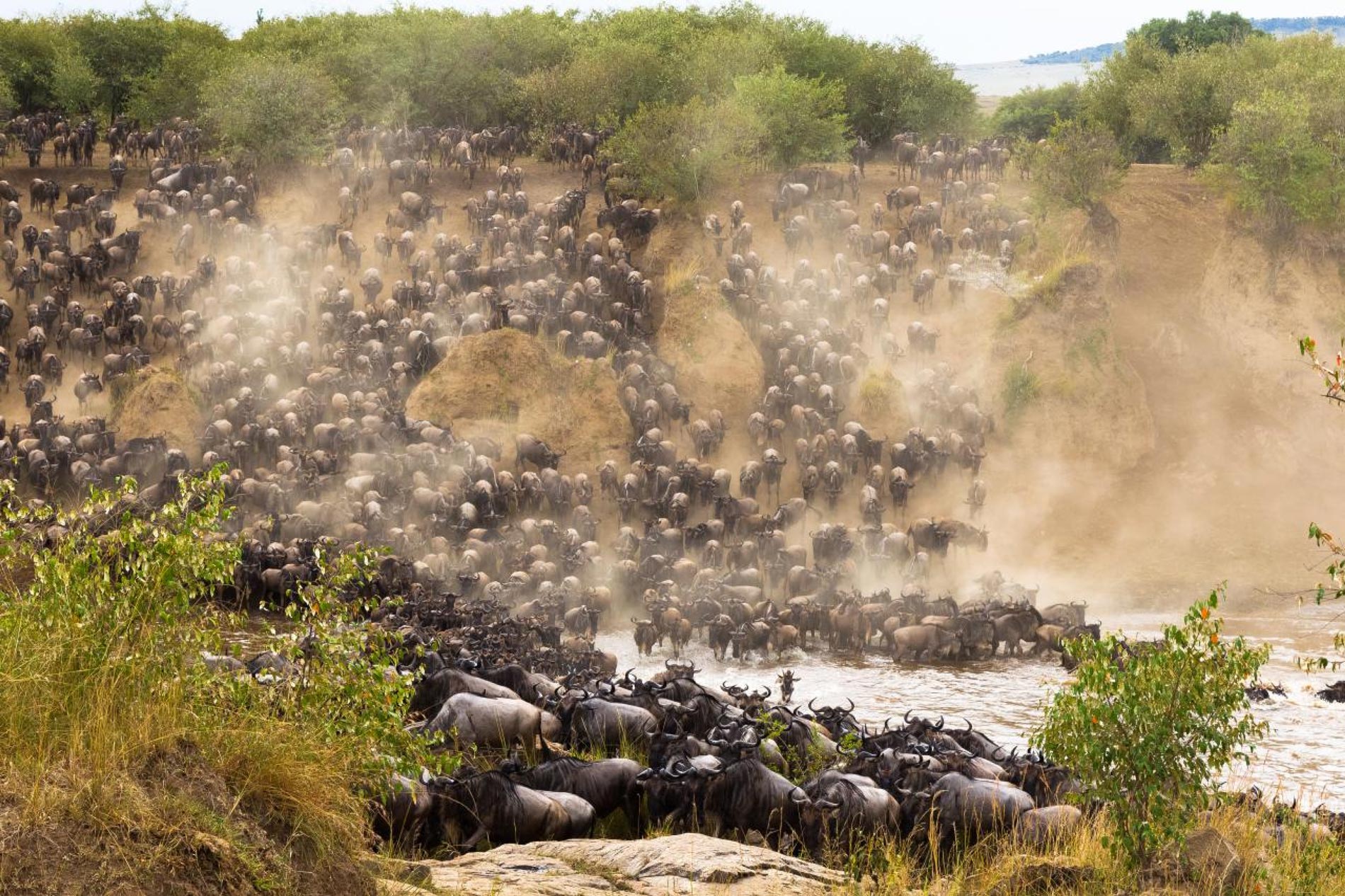
For safari travelers, January and February are particularly interesting because wildlife activity can be excellent in the northern safari circuit. The wider Serengeti ecosystem can become an exciting place for viewing young animals and predator activity, depending on where the migration herds are located.
March to May is traditionally associated with the long rains in northern and northeastern Tanzania. Rainfall can become heavier and more frequent, particularly during April and parts of May. However, rainy-season travel has advantages that are sometimes overlooked. The countryside becomes green, vegetation is fresh, and landscapes can look spectacular after rainfall. Photographers often appreciate the dramatic skies and rich colors that appear during this period.
The long rains do not mean that it rains continuously from morning until night. Weather varies by location and day, and showers can be followed by clear periods. Roads in some remote areas can become muddy, however, and heavy rainfall can make certain travel routes slower.
June to September is widely considered one of the most popular periods for visiting Tanzania. Rainfall is generally limited across much of the country, skies are often clearer, and daytime conditions are comfortable for outdoor activities. This period is especially popular for safari holidays because animals are easier to spot in many areas as vegetation becomes less dense and wildlife gathers around available water sources.
Mornings and evenings can be cold, particularly in northern Tanzania and high-altitude areas. A traveler leaving for an early morning game drive may be surprised by how cool it feels inside an open safari vehicle.
October usually marks a transition toward warmer and wetter conditions in several northern and northeastern areas. Short rains commonly develop from October through December in regions with a bimodal rainfall pattern. These showers can refresh the landscape without necessarily preventing travelers from enjoying a safari. November can bring more noticeable rainfall, while December can be a pleasant month for combining wildlife and beach travel.
The short rains can create beautiful green scenery and dramatic skies. For travelers who enjoy photography, this can be an attractive time because the landscape looks fresh and the light can be excellent. Birdwatchers may also find seasonal conditions rewarding as wetlands and other habitats become more active.

Weather can influence a safari experience, but there is no single month that is perfect for everyone. During the dry season, vegetation is often thinner, and animals may gather near water sources, making wildlife easier to find in many areas. Roads are also generally drier, which can make traveling between safari areas more comfortable.
The wet season has its own attractions. Green landscapes, fewer crowds, fresh vegetation, dramatic clouds, and excellent photographic conditions can make a rainy season safari memorable. Some travelers also enjoy the quieter atmosphere of lodges and camps during less busy periods.
Mount Kilimanjaro creates its own weather environment because of its enormous elevation. A trek begins in relatively warm conditions and passes through forests, moorlands, alpine landscapes, and eventually an icy high-altitude environment. This means that a climber must prepare for several types of weather during one trip.
The drier months are generally popular for trekking, particularly around June to October and January to February. However, conditions can change quickly on the mountain. Rain can occur in the lower sections, while snow, ice, strong winds, and freezing temperatures may affect the summit zone.
Zanzibar is an excellent destination for travelers who want warm beaches, swimming, snorkeling, cultural experiences, and relaxation. The island remains warm throughout the year, but rainfall and humidity vary seasonally. The long rains generally occur between March and May, while another shorter rainy period usually occurs between October and December.
The driest months are often popular for beach holidays because they offer a higher chance of sunny conditions. July, August, September, and October can be particularly attractive for travelers combining safari with Zanzibar. January and February can also provide hot beach weather.
Weather and travel demand are closely connected. The most popular dry season months can attract more visitors, particularly around July, August, September, and major holiday periods. Higher demand can affect safari lodge availability, flights, and accommodation prices.
The rainy seasons may offer better value in some circumstances. Some lodges and safari companies provide lower rates during quieter periods, although this depends on the destination and operator. Travelers with flexible dates can sometimes save money by traveling during shoulder or green-season months.
Do not choose a travel date based only on price. Consider road conditions, the activities you want to do, wildlife movements, beach conditions, and your tolerance for heat or rain. A slightly cheaper trip is not necessarily better if the weather does not suit your plans.
Packing for Tanzania requires more than simply bringing summer clothes. Your luggage should reflect the destinations and activities on your itinerary. Lightweight shirts, trousers, shorts, comfortable shoes, sunglasses, sunscreen, and a hat are useful for warm conditions. A light waterproof jacket is valuable during rainy periods.
For safari, neutral-colored clothing can be practical and comfortable. A fleece or warm jacket is useful for early morning game drives, particularly during the dry season. If you are visiting Ngorongoro or other high-altitude locations, include warmer layers because mornings can be cold.
The best time to visit Tanzania depends on what you want to experience. For a classic northern safari, June to October is often an excellent choice because of generally dry conditions and good wildlife-viewing opportunities. For Kilimanjaro trekking, relatively dry periods are commonly preferred, although mountain weather can never be guaranteed.
For Zanzibar and other beach destinations, dry periods are popular among travelers who want sunshine and outdoor activities. January and February can also be attractive because of warm conditions. March to May is wetter, but travelers who prefer quieter beaches and lush scenery may still enjoy the experience.
For photographers and nature lovers, green-season travel can be rewarding. Rain can create dramatic skies, colorful landscapes, and reflections on water. The Tanzania Tourism Board also highlights green-season opportunities for nature photography and wildlife experiences.
anuary is generally warm, with relatively dry conditions in many northern areas and hot weather along the coast. February remains warm and can be a good month for safari and beach travel. March marks the beginning of the main long-rain period in many northern and northeastern areas.
April is one of the wetter months in areas affected by the long rains. Roads can become challenging in some remote destinations, but landscapes are lush and beautiful. May is a transition month, with rainfall often decreasing toward the end of the month.
June usually brings drier and cooler conditions. July and August are among the most popular months for safari and trekking, with dry weather and cool mornings. September is generally dry and warm, while October begins the transition toward the short rains in many northern regions.
November can bring short rains, although sunny periods remain possible. December is warm and can be wet in some areas, but it remains a popular month for holiday travel. The exact experience varies by region, so travelers should avoid treating the country as if it has one uniform climate.
There is no single best month for every traveler. June to October is often excellent for safari because conditions are generally dry, while January and February can also be rewarding. Beach travelers may prefer the drier periods, while photographers may enjoy the green season.
No. Rainfall is often variable, and tropical showers can be followed by sunshine. However, some periods can experience heavier or more frequent rain, especially during the main rainy season.
Many lowland and coastal areas are warm for much of the year, but temperatures vary greatly with altitude. Arusha and Ngorongoro can feel cool, while Kilimanjaro becomes extremely cold at higher elevations.
Yes. July is generally one of the popular months for safari because many areas are dry and wildlife viewing can be excellent. Early mornings can be cold, so travelers should bring warm layers.
Northern and northeastern areas generally have long rains from March to May and short rains from October to December. Central, western, southern, and southwestern areas often have one main rainy season from around November to April or May.
Need help? Our team is just a message away