
Tanzania Malaria Guide for Travelers
Tanzania is one of Africa’s most rewarding travel destinations, offering unforgettable experiences from the Serengeti plains and Ngorongoro Crater to Mount Kilimanjaro and the beaches of Zanzibar. For most visitors, a safari, trekking adventure, or beach holiday can be enjoyed safely with sensible preparation. One health issue that travelers should understand before visiting, however, is malaria. Tanzania malaria is an important travel health consideration because malaria transmission occurs in many parts of the country. The disease is spread through the bites of infected female Anopheles mosquitoes and can become serious if it is not diagnosed and treated quickly. The World Health Organization considers malaria a preventable and curable disease, but travelers who have little or no immunity can be particularly vulnerable.
The good news is that travelers do not need to avoid Tanzania because of malaria. Instead, they should understand where the risk exists and use several layers of protection. These can include avoiding mosquito bites, using insect repellent, wearing suitable clothing, sleeping under an insecticide-treated net where appropriate, and discussing preventive medicine with a qualified healthcare professional before departure. The right approach can depend on your destination, length of stay, activities, medical history, and the medicines available to you. The CDC currently advises travelers to Tanzania to discuss prescription malaria prevention and notes that malaria transmission occurs in areas below 1,800 meters (5,900 feet).
This Tanzania malaria guide for travelers explains what visitors need to know before, during, and after a trip. It covers malaria risk, symptoms, prevention, antimalarial medicines, mosquito protection, safari travel, Zanzibar, Kilimanjaro, and what to do if you develop a fever. It is written in simple language so that first-time visitors can prepare without feeling overwhelmed. Remember that this article is general travel information, not a personal medical prescription. A doctor or travel-health professional should advise you about the best malaria prevention strategy for your individual circumstances.
Is There a Malaria Risk in Tanzania?
Yes, malaria is present in Tanzania, and travelers should take the risk seriously. However, malaria risk is not identical everywhere in the country. Altitude, local transmission patterns, season, accommodation, and the type of activities you undertake can all influence your exposure. According to the CDC’s Tanzania travel guidance, malaria transmission areas include locations below 1,800 meters in elevation. The CDC lists Plasmodium falciparum as the primary malaria species in Tanzania, with other species occurring less commonly. This is one reason visitors should obtain destination-specific advice rather than assuming that every part of their trip carries exactly the same level of risk.
Many popular tourist destinations are in areas where malaria prevention deserves attention. Travelers going on a safari, staying in lodges or camps, visiting rural communities, or spending evenings outdoors may have opportunities for mosquito exposure. Mosquitoes that transmit malaria are generally most active from evening through the night, so the time of day when you are outside matters. A comfortable safari evening around a campfire may sound harmless, but travelers should still use repellent and follow the mosquito-control measures provided by their accommodation.
It is also important not to judge malaria risk by how modern or comfortable a hotel appears. A high-quality lodge can reduce exposure through screened rooms, mosquito nets, air conditioning, and other measures, but these precautions do not make the risk automatically zero. Similarly, seeing very few mosquitoes does not prove that malaria is absent. Prevention works best when several measures are used together rather than relying on one method alone.
What Causes Malaria and How Does It Spread?
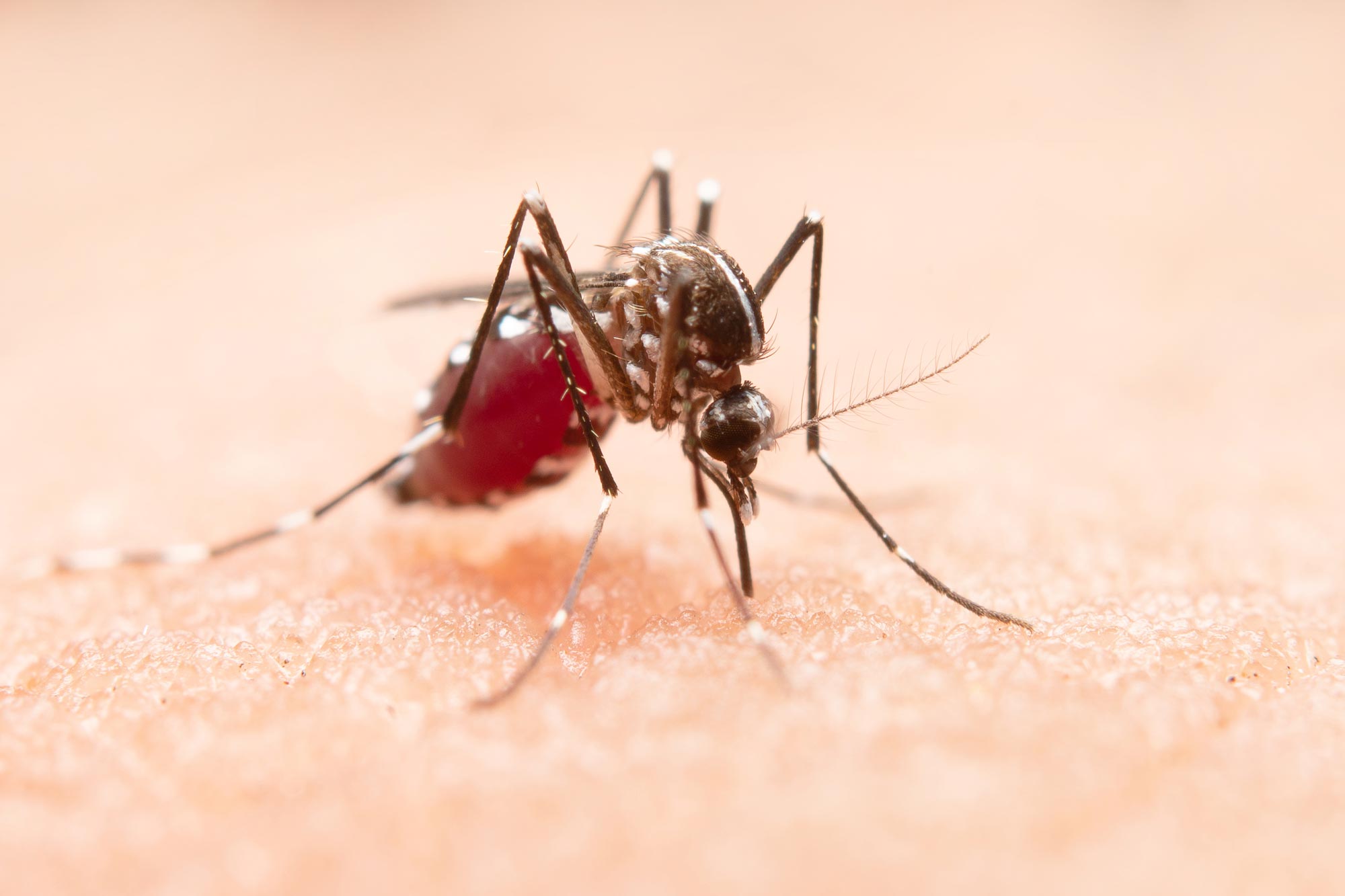
Malaria is caused by parasites belonging to the Plasmodium group. These parasites are transmitted through bites from infected female Anopheles mosquitoes. After a mosquito carrying the parasite bites a person, the parasite enters the body and eventually affects the blood. Without appropriate treatment, some malaria infections can become severe and potentially life-threatening. The WHO identifies Plasmodium falciparum as one of the species responsible for the greatest malaria threat, and it is the primary species reported in Tanzania.
Understanding transmission helps explain why mosquito protection matters so much. You do not catch malaria simply because you visit a safari park, sleep in a tent, or walk around Arusha. Infection requires exposure to an infected mosquito. Therefore, reducing mosquito bites is one of the most practical things travelers can do.
Mosquitoes can enter rooms, tents, and other accommodation if doors or windows are left open without screens. They may also bite people sitting outdoors in the evening. Wearing long sleeves and trousers, applying an effective insect repellent, and using a mosquito net when provided can all help reduce exposure. Air-conditioned and screened rooms can provide additional protection.
EXPLORE OUR TANZANIA SAFARI POPULAR PACKAGES
SAFARI & ZANZIBAR
12 DAYS/ 11 NIGHTS
Tarangire, Serengeti, Ngorongoro Crater Zanzibar Beaches & Safaris
tanzania safari&zanzibar
10 DAYS/ 9 NIGHTS
Tarangire, Serengeti, Ngorongoro Crater Zanzibar leisure & Beach Relaxation
Tanzania safari north
10 DAYS/ 9 NIGHTS
Tarangire, Southern Serengeti, Northern Serengeti & Ngorongoro Crater
Common Symptoms of Malaria
Recognizing malaria symptoms is extremely important because early treatment can make a major difference. Common symptoms can include fever,chills, headache, body weakness, muscle or joint aches, and general tiredness. Some people may also experience nausea, vomiting, diarrhea, or a poor appetite. Early malaria symptoms can resemble other common illnesses, which is why travelers should not attempt to diagnose themselves based only on symptoms.
According to the WHO, symptoms commonly begin around 10 to 15 days after an infective mosquito bite, although the timing can vary depending on the parasite and circumstances. This means malaria should remain in your thoughts even after you leave Tanzania. A traveler who develops a fever after returning home should tell the healthcare professional that they recently visited a malaria-risk area.
One common mistake is assuming that malaria always begins with dramatic symptoms. The early signs can be mild and may look like flu, exhaustion, food-related illness, or jet lag. Because travelers often experience tiredness after long flights and busy safari schedules, it can be easy to dismiss a fever or unusual weakness.
How to Prevent Malaria Before Your Tanzania Trip
Good malaria prevention begins before you board the aircraft. Ideally, travelers should arrange a consultation with a doctor or travel-health professional several weeks before departure. This gives enough time to discuss the itinerary, medical history, current medicines, allergies, pregnancy considerations where relevant, and the most appropriate malaria prevention option.
Do not wait until you arrive in Tanzania to decide whether you need malaria medication. Some preventive medicines must be started before entering a malaria-risk area, while others have specific schedules before, during, and after travel. The CDC recommends that travelers obtain their malaria prescription before leaving and take enough medication for the entire trip, including possible delays.
Your doctor may recommend one of several antimalarial medicines depending on your circumstances. The CDC lists atovaquone-proguanil, doxycycline, mefloquine, and tafenoquine among recommended chemoprophylaxis options for Tanzania, but this does not mean every traveler should take every medicine. Each medication has different instructions, precautions, possible side effects, and suitability considerations. A healthcare professional should choose the appropriate option for you.
How to Avoid Mosquito Bites in Tanzania
Mosquito-bite prevention should become part of your normal travel routine. Apply a suitable insect repellent to exposed skin according to the product instructions. If you use sunscreen, follow the product guidance for applying both products. Carry a small bottle of repellent during safari drives, evening walks, and other outdoor activities so that you can reapply it when necessary.
Clothing can also help. During evenings and nights, consider wearing lightweight long trousers and long-sleeved shirts. Light, breathable clothing can make this easier in warm areas. You do not need heavy clothing for mosquito protection; the goal is to reduce exposed skin while remaining comfortable.
Your accommodation can provide another important layer of protection. Use mosquito nets when they are provided, and check that the net is properly positioned before going to sleep. Keep doors and windows closed or screened when possible. Air conditioning can also make rooms less attractive to mosquitoes and can reduce the need to keep windows open.
Malaria Risk When Visiting Kilimanjaro
Mount Kilimanjaro presents an interesting situation because altitude changes significantly during the climb. The mountain rises from lower areas into high-altitude environments where mosquitoes and malaria transmission are not the same as at lower elevations. However, travelers should consider the entire journey, including time spent before and after the climb.
The CDC’s Tanzania guidance identifies malaria transmission areas below 1,800 meters. Climbers may pass through lower elevations before reaching higher parts of the mountain, and many spend time in Arusha or other areas before and after their trek. Therefore, altitude on the summit should not be used as the only reason to ignore malaria prevention.
Kilimanjaro trekkers should also remember that physical exhaustion can make it harder to recognize illness. Headache, tiredness, poor appetite, and weakness can occur for many reasons during a climb, including altitude-related problems. If fever or other unusual symptoms occur, do not automatically assume they are caused by altitude or physical exertion.
Malaria and Zanzibar Travel
Zanzibar is famous for its beaches, warm water, historic Stone Town, and relaxed atmosphere. After a safari, many travelers spend several days on the island before flying home. It is important, however, not to assume that a tropical beach holiday means there is no malaria concern.
Tanzania travel-health guidance covers Zanzibar as well as mainland destinations, and WHO data confirms malaria transmission on Zanzibar. Travelers should therefore include Zanzibar when discussing malaria prevention with their healthcare professional.
Beach travelers may also spend more time outdoors in the evening. Restaurants, beachfront areas, gardens, and outdoor seating can create opportunities for mosquito bites. Wearing suitable clothing and using insect repellent can help reduce exposure without interfering with your holiday.
Malaria Prevention Tips for First Time Visitors
First-time travelers can make malaria prevention much easier by preparing a simple routine before leaving home. Start by checking your complete itinerary and arranging professional travel-health advice. Get any recommended prescription medicine early, pack enough for the trip, and keep it accessible. Add insect repellent, long-sleeved clothing, and other mosquito-protection items to your luggage.
Once in Tanzania, make repellent part of your normal evening routine. Use mosquito nets when available, keep accommodation doors and screens properly closed, and listen to advice from your safari guide or hotel staff. If you are staying in a tent, close the entrance carefully after entering or leaving.
Travelers should also avoid relying on myths. Malaria is not prevented simply by drinking tonic water, eating certain foods, taking vitamins, or wearing one particular color. Traditional ideas may be interesting, but they should not replace evidence-based prevention.
Finally, keep your health information organized. Save the name of your malaria medicine, dosage instructions, travel insurance details, and important medical information where you can access them. If you become sick, having these details available can make it easier to communicate with a healthcare professional.
Frequently Asked Questions
Is malaria a risk for travelers visiting Tanzania?
Yes. Malaria occurs in many parts of Tanzania, particularly in areas below 1,800 meters. Travelers should discuss malaria prevention with a qualified healthcare professional before their trip and take practical steps to avoid mosquito bites.
Do I need malaria tablets for a Tanzania safari?
Many travelers to malaria-risk areas may be advised to take preventive malaria medicine, but the right medicine depends on your health, itinerary, and other factors. Speak with a doctor or travel-health professional before traveling to determine what is suitable for you.
Is there malaria in Zanzibar?
Yes, malaria transmission occurs in Zanzibar. Travelers should not assume that a beach holiday is malaria-free. If your trip includes Zanzibar, mention it when discussing malaria prevention with your healthcare provider.
How can I prevent mosquito bites in Tanzania?
Use an effective insect repellent on exposed skin, wear long-sleeved shirts and long trousers during mosquito-active hours, sleep under a mosquito net when provided, and keep accommodation doors and windows properly screened or closed.
What are the symptoms of malaria?
Common symptoms include fever, chills, headache, weakness, muscle aches, nausea, vomiting, and sometimes diarrhea. Symptoms can appear after you leave Tanzania, so tell a healthcare professional about your recent travel if you develop a fever.
Can I get malaria after returning from Tanzania?
Yes. Malaria symptoms can develop after you leave a malaria-risk area. If you develop a fever during or after your trip, seek medical attention promptly and tell the healthcare provider that you recently traveled to Tanzania.
Is malaria prevention necessary when visiting Mount Kilimanjaro?
It depends on the areas included in your trip. Higher parts of Mount Kilimanjaro are above the elevations where malaria transmission occurs, but travelers may spend time in lower-altitude areas before and after the climb. Discuss your complete itinerary with a healthcare professional before departure.