Wada Adventures

Mount Kilimanjaro Success Rate: Complete Guide to Reaching Uhuru Peak

Climbing Mount Kilimanjaro is a dream for many travelers who want to stand on the highest mountain in Africa. At 5,895 meters above sea level, Uhuru Peak offers an unforgettable reward, but reaching the summit is not guaranteed. One of the most common questions from first-time climbers is, “What is the Mount Kilimanjaro success rate?” The answer depends on several factors, including the route, number of climbing days, acclimatization, fitness, weather, guide support, and how well you respond to altitude. There is no single official percentage that applies to every climber, because operators use different routes, schedules, and methods when recording their results.

Generally, published estimates put overall summit success somewhere around 65% to 80%, while longer itineraries can achieve substantially higher rates. Some operators report even higher figures from their own clients, but these should not automatically be treated as representative of every Kilimanjaro climber. Research has also shown that acclimatization and ascent profile can have a major influence on whether trekkers reach the summit.

Understanding the Mount Kilimanjaro success rate is useful because it helps you make better decisions before booking your trek. Instead of choosing a route simply because it is cheaper or shorter, you can look at how many days you will spend on the mountain and how well the itinerary allows your body to adjust to altitude. A longer climb may cost more, but it can give you a much better chance of reaching Uhuru Peak while also making the experience more enjoyable.

What Is the Mount Kilimanjaro Success Rate?

The Mount Kilimanjaro success rate refers to the percentage of climbers who reach Uhuru Peak compared with the number who start a particular climb. However, there is an important difference between an overall success rate and a route-specific success rate. A company that mainly operates seven- or eight-day climbs may report a much higher percentage than an operator that sells many five-day trips. This is why travelers should be careful when comparing success-rate claims from different companies.

Current published estimates vary considerably. Some sources place the overall figure around 70–80%, while other industry sources use a lower average of approximately 65%. The differences come from the way operators collect data, the routes included, the number of days used, and whether the figures represent a company’s own clients or a wider industry estimate.

The most important point is that the Mount Kilimanjaro success rate is not a prediction of your individual result. A healthy and well-prepared climber can still turn around because of altitude sickness, severe weather, exhaustion, or another unexpected problem. At the same time, someone with limited mountain experience may successfully reach Uhuru Peak by choosing a suitable route, moving slowly, allowing enough time for acclimatization, and following the advice of an experienced mountain crew.

OUR KILIMANJARO POPULAR PACKAGES

Mount Kilimanjaro Success Rate by Route

Marangu Route

The Marangu Route is often called the “Coca-Cola Route” and is famous for being the only main Kilimanjaro route with hut accommodation. Because the trail is relatively straightforward and has a shorter itinerary option, many beginners choose it. However, the shortest version gives climbers limited time to acclimatize.

Five-day Marangu climbs are frequently associated with lower reported success rates, with some published estimates placing them around 50% or lower and others reporting figures significantly below that. Longer Marangu itineraries can perform better because they provide additional acclimatization time.

Machame Route

Machame is one of the most popular routes on Kilimanjaro. It is commonly known as the “Whiskey Route” and provides beautiful scenery through several vegetation zones. The trail includes steeper sections than Marangu, but it also offers a useful ascent and descent pattern that can support acclimatization when the itinerary is planned correctly.

Reported success rates for Machame vary according to the number of days. Six-day versions generally have lower success rates than seven-day versions. Some published industry estimates place seven-day Machame success around the 65–75% range, although individual operators may report considerably higher figures based on their own clients and itineraries.

Lemosho Route

Lemosho is widely considered one of the strongest options for climbers who want a gradual ascent and more time on the mountain. The route begins on the western side of Kilimanjaro and passes through beautiful landscapes before joining trails toward the summit.

An eight-day Lemosho itinerary generally gives your body more time to adjust than shorter climbs. Various current operator and guide sources report success rates in the 80–90% range for longer Lemosho itineraries, although these figures are not standardized across the industry.

Northern Circuit Route

The Northern Circuit is the longest major route on Kilimanjaro and is usually completed over eight or nine days. It takes a longer journey around the mountain before approaching the summit. Because of its length, the route provides excellent opportunities for gradual acclimatization.

Many operators report the Northern Circuit as having one of the highest summit success rates. Current published operator data commonly places longer Northern Circuit climbs in the 85–95% range, although these numbers vary by operator and should not be interpreted as an official mountain-wide statistic.

Rongai Route

Rongai approaches Kilimanjaro from the northeastern side near the Kenyan border. It is generally quieter than some of the southern routes and offers a different perspective of the mountain. It is also useful for travelers who prefer a less crowded trekking experience.

Umbwe Route

Umbwe is known as one of the steepest and most challenging approaches to Kilimanjaro. It is not usually the first choice for inexperienced climbers who are primarily concerned with maximizing their summit chances.

The route gains altitude quickly, which can make acclimatization more difficult. For this reason, climbers should not choose Umbwe simply because it is shorter. A fast route can save days while reducing the amount of time available for the body to adapt.

Fitness and the Mount Kilimanjaro Success Rate
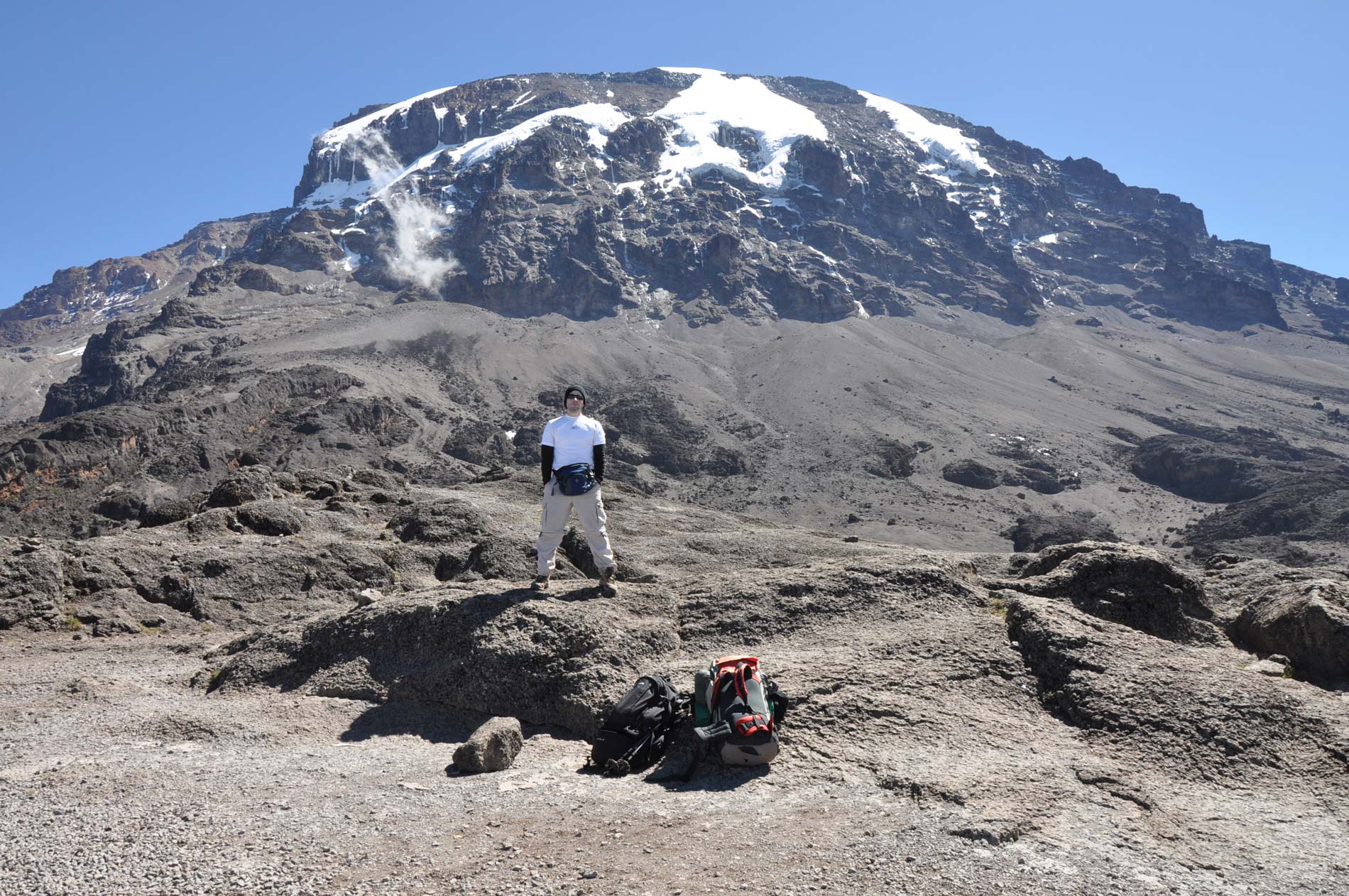
Physical fitness matters, but being extremely athletic does not automatically guarantee that you will reach the summit. Kilimanjaro is primarily an endurance challenge, especially during the long summit night. You need to be comfortable walking for several hours on consecutive days while carrying a daypack.

Good preparation should include regular walking, hiking, stair climbing, uphill training, and cardiovascular exercise. Strength training can also help your legs and core handle long days on uneven ground. You do not need to become a professional athlete, but you should arrive prepared for sustained physical activity.

Fitness also helps you recover between trekking days. A strong body can make long approaches, steep sections, and the summit push more manageable. However, fitness cannot completely protect you from altitude sickness, which is why acclimatization remains essential even for very fit travelers.

How Altitude Affects Summit Success

Altitude is the biggest factor that surprises many first-time climbers. At lower elevations, you may feel strong and energetic. As you climb higher, however, you may experience headaches, tiredness, reduced appetite, nausea, dizziness, or difficulty sleeping.

Some altitude symptoms can be mild and temporary, but serious altitude illness can become dangerous. This is why guides monitor climbers throughout the trek and may recommend stopping or descending if someone’s condition becomes concerning.

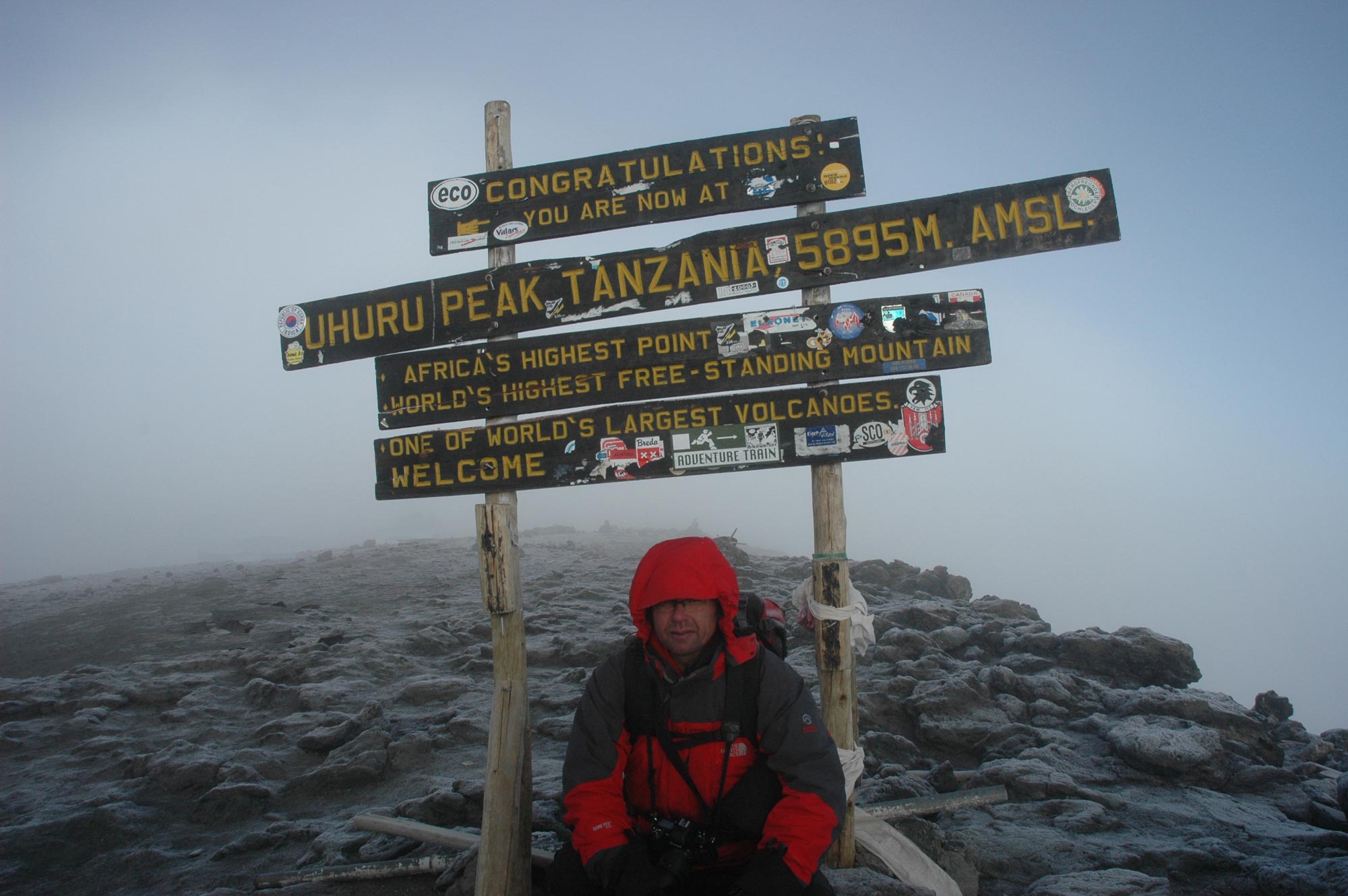
You should never hide symptoms because you are worried about missing the summit. A responsible guide’s first priority should be your safety. Reaching Uhuru Peak is an important achievement, but returning safely is more important.

Training Before Climbing Kilimanjaro

Start preparing several weeks or months before your trek rather than waiting until the last few days. Your training should gradually increase your walking distance and elevation gain. Weekend hikes are particularly useful because they help you understand how your body performs during longer days outdoors.

If you live somewhere without mountains, you can use stairs, hills, incline treadmills, or long-distance walking. The goal is to build endurance rather than simply increase speed. Regular training is usually more useful than occasional extremely difficult workouts.

You should also practice walking with the footwear and daypack you intend to use on Kilimanjaro. This gives you time to identify uncomfortable shoes, clothing problems, or backpack issues before you arrive in Tanzania.

Choosing an Experienced Kilimanjaro Operator

Your choice of trekking company can influence your experience and your chances of a successful summit. A professional operator should provide qualified mountain guides, appropriate safety procedures, reliable logistics, and a sensible itinerary.

When comparing companies, do not look only at their advertised Mount Kilimanjaro success rate. Ask how the company calculates the figure. Does it include every client? Does it cover all routes? Does it include short five-day climbs and longer eight- or nine-day itineraries?

Can Beginners Successfully Climb Kilimanjaro?

Yes. You do not need previous mountaineering experience to climb the standard trekking routes on Kilimanjaro. The mountain is not a technical climbing expedition in the same way as some major alpine peaks.

However, beginners should not confuse “no technical climbing experience required” with “easy.” The altitude, long trekking days, cold summit conditions, and demanding summit night make Kilimanjaro a serious physical challenge.

The best approach for a beginner is to choose a suitable route, allow enough days for acclimatization, train beforehand, listen to your guides, and avoid rushing. Many first-time trekkers successfully reach Uhuru Peak when they prepare carefully and give themselves enough time.

How to Improve Your Mount Kilimanjaro Success Rate

The good news is that many important factors are within your control. Start by selecting a route with enough days for acclimatization. If your schedule allows, consider a seven-, eight-, or nine-day itinerary rather than choosing the shortest possible climb.

Train consistently before the trip and arrive rested. During the climb, walk slowly, eat regularly, stay hydrated, and communicate honestly with your guide. Do not try to compete with faster members of your group.

Most importantly, respect the mountain. Kilimanjaro is not a race. The goal is to arrive at Uhuru Peak safely and return to the trailhead in good condition. A patient approach can make a major difference.

Best Route for the Highest Chance of Summit Success

If your main priority is maximizing your chance of reaching Uhuru Peak, longer routes such as the Northern Circuit and an eight-day Lemosho itinerary are often strong choices. Their extended schedules provide more time for acclimatization and gradual progress.

A seven-day Machame itinerary can also be a good compromise for travelers who want a balance between cost, duration, scenery, and summit opportunity. The exact itinerary matters, however, so compare the daily altitude profile rather than looking only at the route name.

The “best” route ultimately depends on your fitness, budget, available time, preferred scenery, and tolerance for a longer trek. There is no single route that guarantees success for everyone.

Frequently Asked Questions

What is the average Mount Kilimanjaro success rate?

Published estimates vary, but a broad industry range is approximately 65–80%. Longer climbs can report substantially higher rates. Because operators use different methods and routes, there is no single official percentage that represents every Kilimanjaro climber.

Which Kilimanjaro route has the highest success rate?

The Northern Circuit and longer Lemosho itineraries are commonly reported among the highest-success options. Their main advantage is the additional time available for gradual acclimatization. Exact percentages vary between operators.

Is seven days enough to climb Kilimanjaro?

Seven days can be enough for many climbers, especially when the itinerary has a sensible ascent profile. However, eight or nine days may provide additional acclimatization time and can be preferable for travelers who want to prioritize summit chances.

Can an unfit person climb Kilimanjaro?

It is possible for people with modest hiking experience to climb Kilimanjaro, but preparation is strongly recommended. The trek involves long walking days and a demanding summit night, so building endurance before the trip can make the experience much easier.

Does age affect Kilimanjaro success?

Age alone does not determine whether someone will reach the summit. Fitness, health, acclimatization, preparation, and individual response to altitude are more important considerations. Older climbers should discuss their plans with a qualified medical professional before undertaking a high-altitude trek.

Is the Kilimanjaro summit difficult?

The summit push is physically demanding because it involves climbing to nearly 5,895 meters after several days of trekking. The cold, darkness, steep terrain, fatigue, and altitude make summit night one of the hardest parts of the entire adventure.